
PRODUCT KNOWLEDGE
Yes—with the right preparation and separation setup
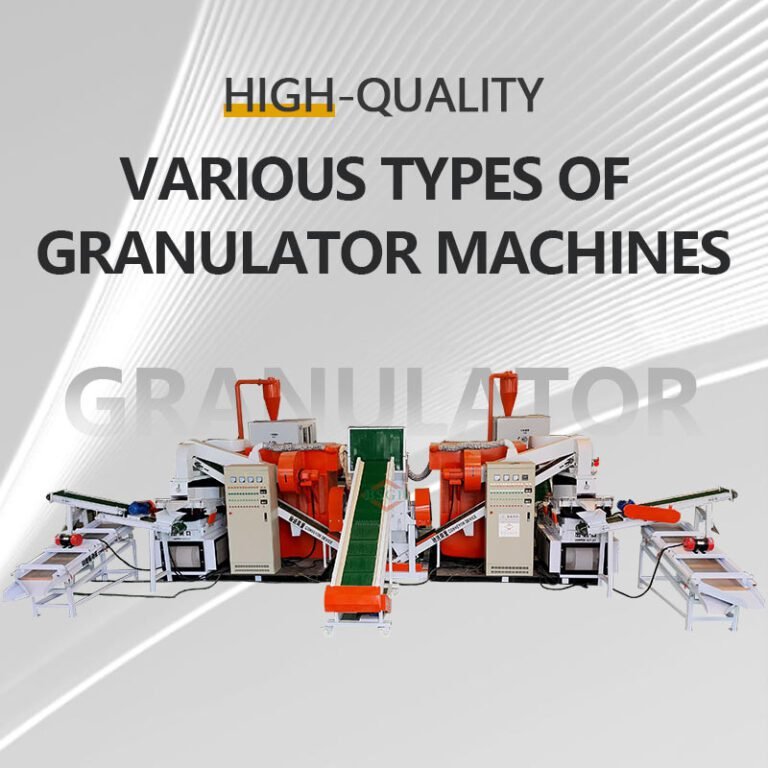
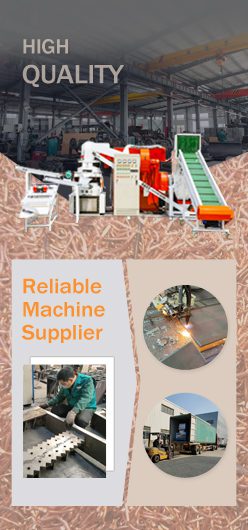
A properly configured granulador de cobre can process automotive wiring harnesses. The key is to prepare the material and match the separation system to the fine wires, adhesive tape, and attached components in your scrap.
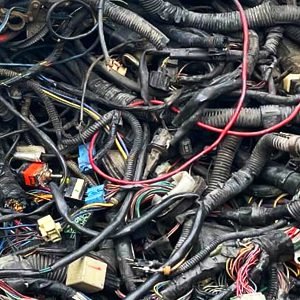
Automotive wiring harnesses are a valuable source of recyclable copper, but the thin wires, plugs, connectors, sleeves, and tape make them more difficult to process than ordinary scrap cable. This guide explains the main challenges, material preparation, and equipment options for a more consistent recycling process.
Why Are Automotive Wiring Harnesses Hard to Recycle?
Three material characteristics deserve particular attention before granulation and separation.
01
Thin, multi-strand copper wires
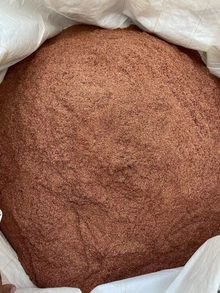
Automotive harnesses contain many fine copper strands in different wire sizes. Granulation can produce small, light copper particles that are more difficult to separate from plastic.
Efficient fine-particle recovery is therefore an important part of choosing a granulator for automotive wiring harnesses.
02
Tape, sleeves and mixed insulation
Harnesses often include adhesive tape, corrugated tubing, fabric sleeves, and insulation materials such as PVC, XLPE, and rubber.
These materials can form clumps or interfere with separation. Pre-sorting and suitable material preparation help improve flow and the consistency of the recovered fractions.
03
Plugs, connectors and metal parts
Plugs, terminals, clips, and other components may contain steel or other metals alongside plastic.
Without suitable preparation, hard components can affect granulation and introduce contamination into the copper output. Remove or separately process unsuitable components before feeding the line.
Choosing a Right Copper Granulator for Automotive Harnesses
A COMPACT STARTING POINT
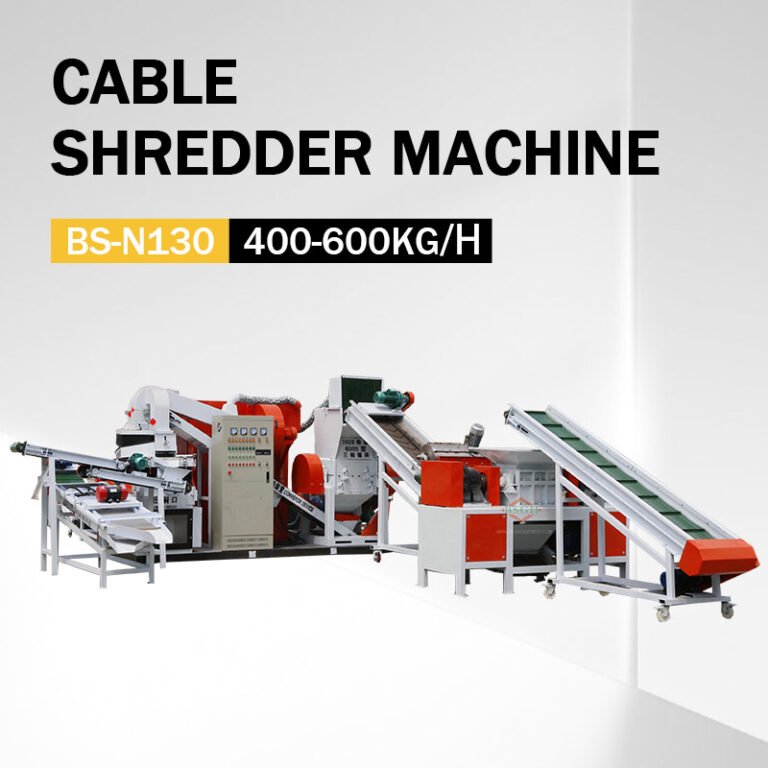
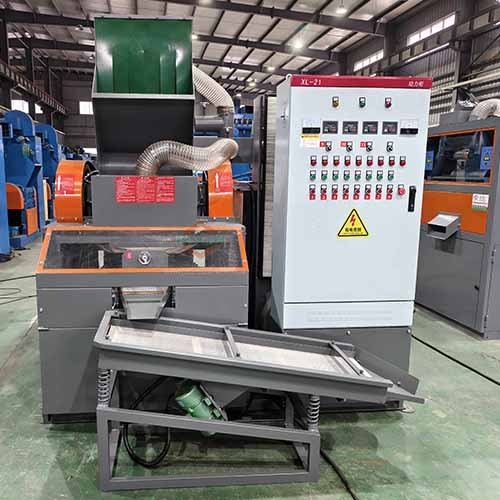
Granulador de cobre BS-D75
El BS-D75 copper granulator is the smallest option for automotive wiring harness recycling. Granulador BSGH designed it with a processing capacity about 70 kg/h.
Actual throughput depends on the harness composition, preparation, and line configuration. For larger workloads, explore our automotive wire harness granulator range.
How to Prepare Automotive Wiring Harnesses
Prepare automotive wiring harness for your copper granulator. Two points are especially relevant when there are plugs or adhesive tape.
PREPARATION 01
Remove large connectors and hard components
Remove large plugs, connectors, and other hard components that are unsuitable for the selected granulator. This helps protect the blades and reduces the risk of other metals entering the copper output. Confirm the permitted feed material with the equipment supplier.
PREPARATION 02
Manage adhesive tape before feeding
Harnesses with substantial adhesive tape may become sticky during processing, causing particles to clump and disrupting material flow, talcum powder may be used as a processing aid to reduce sticking.
Confirm the appropriate machine and application method with our technical team. Follow its safety data sheet and the site’s dust-control procedures; do not use an unspecified quantity as a substitute for a material trial.
Optional Equipment for More Consistent Processing
Additional equipment can reduce manual handling and improve separation, but it does not remove the need to inspect incoming material. Select the following stages according to the composition of your harnesses and the results of a trial.
LONG OR BUNDLED HARNESSES
Pre-trituradora
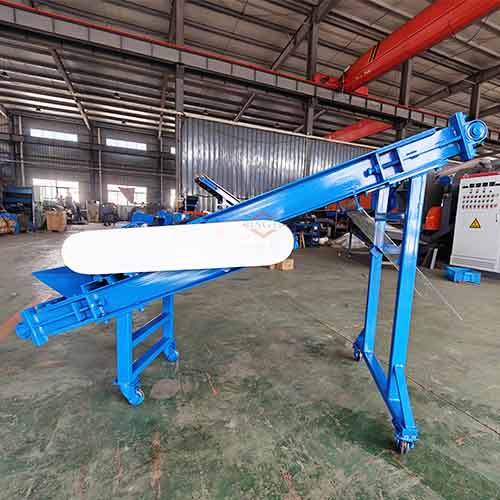
A suitably configured Pre-trituradora can reduce plug or tangled harnesses into shorter pieces for smoother feeding into the granulator, efficiently improving copper recovery rate and protecting crusher blades.
FERROUS CONTAMINATION
Magnetic separation
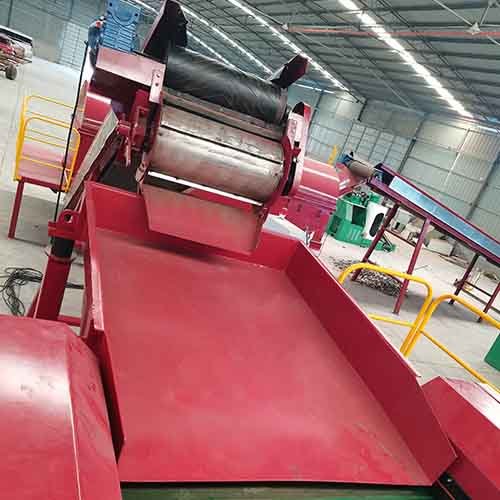
A separador magnético can remove ferrous components such as suitable steel clips and screws at the appropriate point in the line. Its position should be chosen to protect downstream equipment and limit contamination.
Magnetic separation does not remove every type of metal, so other non-ferrous components may still require sorting.
FINE COPPER RECOVERY
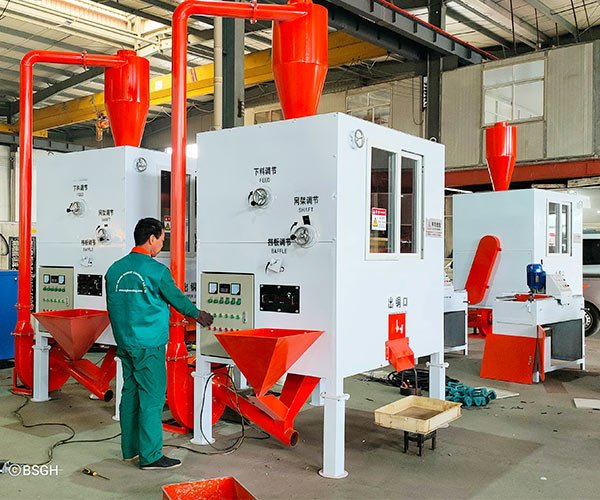
Separación electrostática
Harnesses containing fine wires, including wires below 2 mm in diameter, may benefit from an additional recovery stage when fine copper remains mixed with plastic after the main separation process.
An separador electrostático uses differences in electrical conductivity to help recover this residual copper. Model selection should be based on your copper granulator and real processing capacity, rather than cable diameter alone.
PLAN YOUR RECYCLING SETUP
Match Copper Granulator to Your Automotive Wiring Harness
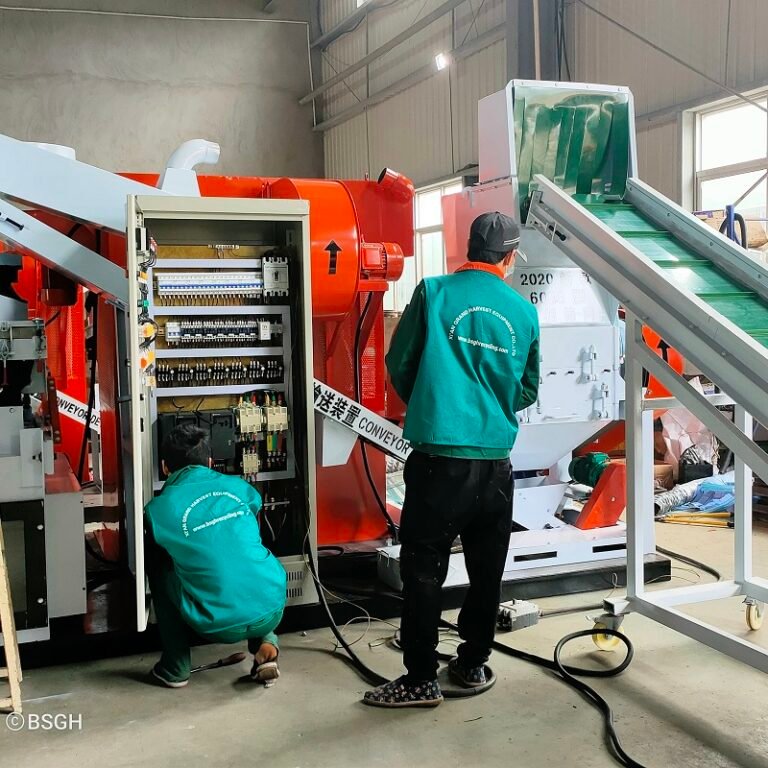
A properly configured copper granulator can turn automotive wiring harnesses into separated copper and plastic fractions. Consistent results depend on material preparation, suitable granulation, and the right combination of separation stages.
Send BSGH Granulator photos of your harnesses, your required processing capacity, cable sizes, and details of any plugs or adhesive tape. Our team can recommend a configuration based on your actual material and production requirements.