Logo des Herstellers BSGHGranulator

BSGH GRANULATOR / EQUIPMENT COMPARISON

Double-Shaft Shredder VS. Hammer Mill: Which One Do You Need?

Einführung

Twin-shaft shredders Und hammer mills both reduce material size, but they serve different processing needs. A double-shaft shredder can handle a wide range of bulky materials, including scrap metal and tough non-metallic waste, breaking them into manageable pieces. A hammer mill, in metal recycling applications, is often used for further size reduction and to prepare materials for downstream separation.

For scrap metal recyclers, the right choice depends on the type and size of material being processed and the desired output. One machine may be enough. In other applications, a double-shaft shredder prepares the material for a hammer mill, with each machine handling a different stage of the recycling process.

MS-D1200 Schreddermaschine mit 2 Motoren
Double-Shaft Shredder
Hammermühle vom Hersteller bsgh
Hammer Mill
In This Article

Choosing A Machine?

Tell us about your material and processing target.

Double-Shaft Shredder VS. Hammer Mill: Key Differences

Operating Principle: Low-Speed Shearing vs. High-Speed Impact

A Doppelwellenzerkleinerer uses toothed blades on two counter-rotating shafts to grip, shear, and tear metal scrap at low speed and high torque. A hammer mill, by contrast, uses hammers mounted on a high-speed rotor to break scrap metal material through repeated impacts. The main difference is how they apply force: shredder cuts and tears material between its cutters, while hammer mill breaks it down through impact inside the crushing chamber.

Suitable Materials: Versatile Shredding vs. Metal-Focused Crushing

A double-shaft shredder can process a wide variety of metal and non-metal materials, including scrap metal, plastics, rubber, and wood, depending on the machine configuration. This makes it a versatile option for recycling facilities handling different types of waste.

In comparison, the hammer mills discussed here are mainly used for metal recycling, processing suitable materials such as scrap metal sheets, aluminum profiles, and metal casings, engine block and so on. The choice depends not only on the material type but also on its thickness, structure, and suitability for the selected machine.

Feed Material And Feeding Requirements

A Doppelwellenzerkleinerer is generally suited to bulky, irregular scrap and can be loaded in batches or fed by conveyor, depending on the model. A hammer mill typically requires a steady, controlled feed that matches its inlet size and crushing capacity. Neither machine has unlimited feeding capability: material dimensions, thickness, and loading rate must remain within the selected model’s limits.

When scrap is too large for a hammer mill, a Doppelwellenzerkleinerer can be used to reduce it to a suitable feed size. Suitable material can be fed directly into the hammer mill without pre-shredding.

Output Size And Shape

A Doppelwellenzerkleinerer typically produces 5-20cm or longer coarse strips or irregular chunks, while a hammer mill generally produces smaller fragments. A double-shaft shredder typically produces coarse strips or irregular chunks, often 5–20 cm or longer, while a hammer mill generally produces smaller fragments. If you only need to reduce bulky scrap into manageable pieces, a double-shaft shredder may be enough. If the material needs further size reduction for downstream processing or separation, then you can add a hammer mill after first shreddding.

In a screenless Doppelwellenzerkleinerer, cutter width and tooth configuration influence final products size but can’t guarantee uniform dimensions, particularly the length of the pieces. In a hammer mill fitted with a screen, the openings help control discharge size, together with hammer configuration, rotor speed, and material properties. 

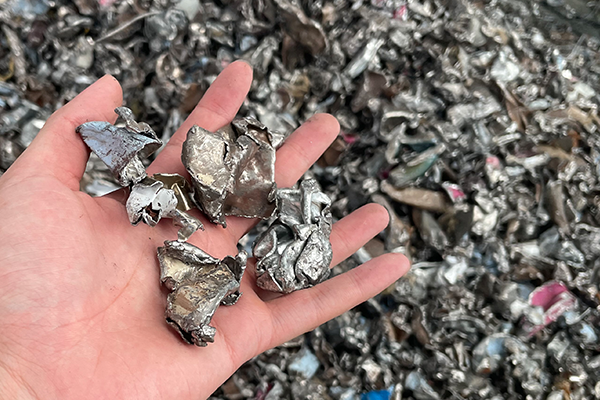
Schrottverarbeitung Schrott
Nichteisenmetalle aus Altautos

Role In A Recycling Line

A Doppelwellenzerkleinerer is often used for initial size reduction, such as cutting bulky scrap cables into manageable pieces before they enter a Kupfergranulator. A hammer mill provides finer processing for scrap metals but can’t process scrap cables, breaking suitable metal scrap into smaller pieces to prepare it for material separation.

Depending on the material and feed size, a hammer mill can serve as the first size-reduction stage or work after a double-shaft shredder. When used together, the double-shaft shredder handles the bulky materials, while the hammer mill breaks it down further for downstream separation.

BS-N130 Kupferdrahtgranulatormaschine
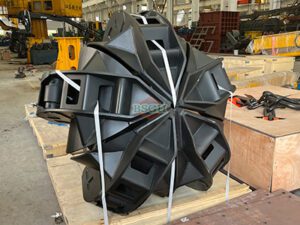
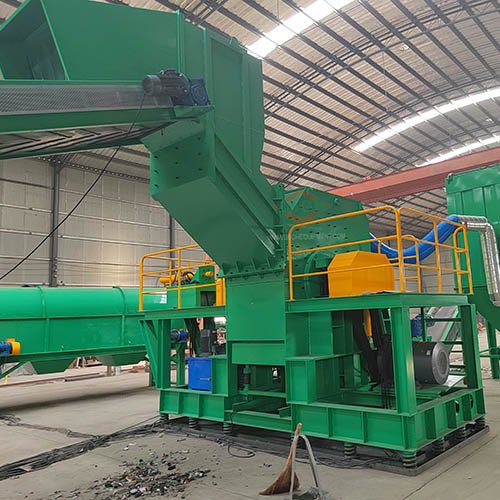
bsgh 180kw hammer mill crushing part for North Macedonia client

Operating And Maintenance Considerations

The key wear parts to inspect are the blades on a double-shaft shredder and the hammers and screens on a hammer mill. On the shredder, worn or damaged cutting edges can reduce the machine’s ability to grip and cut material. On the hammer mill, worn hammers can reduce crushing efficiency, while worn or damaged screens can affect the final particle size.

Comparison At A Glance

Comparison

Double-Shaft Shredder

Hammer Mill

Operating principle

Double-Shaft Shredder

Low-speed, high-torque shearing and tearing.

Hammer Mill

High-speed impact inside the crushing chamber.

Suitable materials

Double-Shaft Shredder

Handles a wide range of metal and non-metal waste, depending on machine configuration.

Hammer Mill

Primarily processes suitable metal scrap in the recycling applications discussed here.

Feed material and feeding requirements

Double-Shaft Shredder

Accepts suitable bulky or irregular scrap within the model’s size and load limits.

Hammer Mill

Needs controlled feeding; oversized or unsuitable feed may require preprocessing.

Output size and shape

Double-Shaft Shredder

Coarse strips or irregular chunks; dimensions vary with the cutters and material.

Hammer Mill

Generally smaller fragments; screens, where fitted, help control discharge size.

Role in a recycling line

Double-Shaft Shredder

Initial size reduction, or standalone processing when coarse output is sufficient.

Hammer Mill

Direct processing of suitable feed or further crushing before separation.

Operation and maintenance

Double-Shaft Shredder

Blades and associated cutting components.

Hammer Mill

Hammers and screens.

Which Machine Is Right for Your Material and Processing Goals?

Choose a Double-Shaft Shredder to Reduce Large, Bulky Scrap

Choose a double-shaft shredder when oversized scrap is your main processing problem and shredded particles will meet your requirements, then you do not need a second size-reduction machine. 

Select the cutter design, cutting chamber, and drive system around your material’s thickness, structure, and required hourly throughput—not its overall dimensions alone.

Choose a Hammer Mill When Your Priority Is Smaller and Even Crushed Materials

Choose a hammer mill when your material is suitable for impact crushing and the next processing stage requires smaller fragments or attached materials to be broken apart. Suitable feed can enter the hammer mill directly; pre-shredding is not always required. 

Start with the requirements of your separation equipment, then select the crushing configuration to match. The goal is not to make the scrap as fine as possible, but to produce material that matches your target. The target output size and required throughput should be considered together when selecting the screen, hammer arrangement and machine size.

Use Both When Bulky Scrap Needs Further Breakdown Before Separation

Use both machines when the incoming scrap is too bulky for the selected hammer mill and coarse shredding alone does not prepare it adequately for separation. The double-shaft shredder handles the initial reduction, and the hammer mill processes the resulting pieces further.

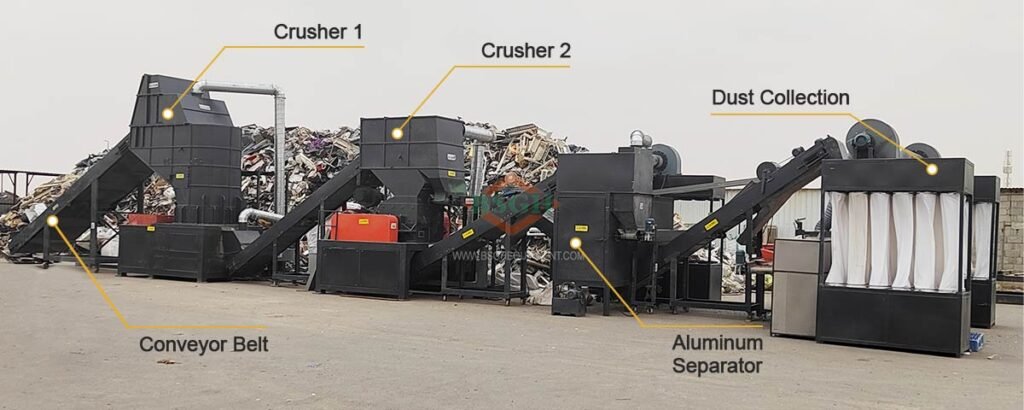
For example, BS-ACP1000 radiator recycling line combines a double-shaft shredder with a secondary hammer mill to process suitable scrap radiators. Pre-shredder first reduces radiators into manageable pieces. Hammer mill then breaks them down further to make separate copper and aluminum easily. In this recycling line, two machines perform different jobs within the same recycling process.

Conclusion: Choose the Right Machine for Your Material and Required Output

Start with your scrap material and the output size you need. Then identify the necessary processing steps and check whether the equipment can achieve that size. This helps you choose recycling equipment based on your actual processing needs—not just machine names or motor power.

 To help BSGH-Granulator assess your application, send us:

  • Material photos or videos showing the scrap you plan to process.
  • Maximum dimensions and thickness, including the largest or most difficult items.
  • Target hourly throughput in kg/h or tonnes/h.
  • Required output size and condition, including what will happen to the material next.
  • Details of existing downstream equipment, such as conveyors, granulators, or separation systems.

These details give us a starting point for discussing a standalone machine or a complete processing and recycling plant. When needed, material testing can help assess throughput, output size, and suitability for the next stage before you decide on a configuration.

de_DEGerman

Metal briquetting machine

Maximize your recycling efficiency with our compact and powerful metal chip briquetting machines. Whether you’re dealing with small batches or large volumes of metal scrap, we have the perfect solution to fit your space and production needs.

Contact us today for a free, customized quote and discover how our briquette press can help you boost productivity and profits.

Solar Panel Recycling Machine

Ready to Turn End-of-Life Solar Panels into High-Value Treasure?

Whether you need a standalone Frame Dismantling Machine, a precision Glass Removal Machine, or a complete Solar Panel Recycling System—we have the right solution for your business.

Contact Us Today & Get a Free Quote tailored to your PV panels!

Senden Sie Ihre Anfrage

Which kinds of material you want to process?

Please fill in the following form(give us your specific requests, the detailed the better, so we can give you an optimal solution at the earliest time):

machine enquiry

Bagger und Gabelstapler von BSGH
Drehbarer Baggergreifer von bsghgranulator
Recyclingindustrie

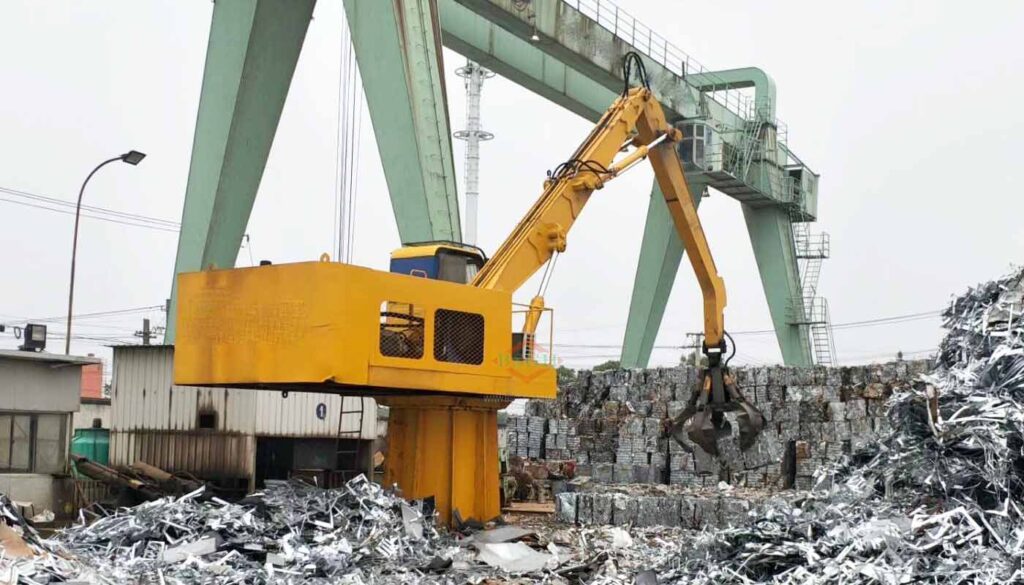
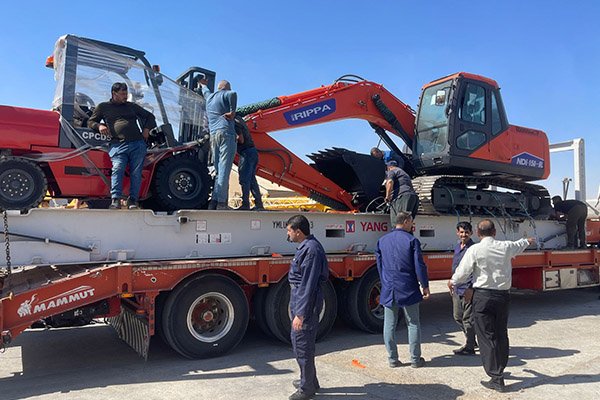
From robust tools to advanced recycling machinery, we provide a comprehensive selection: cutting, moving, shearing, grap, baler, separation, a series of heavy-duty equipment engineered to meet the demands of diverse industrial operations and material types. Which kinds of function do you need? Send us your requests now to let our machine help you to get more profits.

welche Art von Abisoliermaschine möchten Sie?

Bitte füllen Sie das folgende Formular aus (teilen Sie uns Ihre Wünsche mit oder wählen Sie aus):

Abisoliermaschine für den Heimgebrauch
1,5 MM – 38 MM; 2 – 45 MM; 2 – 76 MM; 2 – 60 MM;
Industrielle Kabelabisoliermaschine
10–120 mm; 10–160 mm; 60–200 mm

Entsprechend Ihren Wünschen empfehle ich Ihnen die passende Maschine.

Kühler-Recycling-Maschine

Aufbau der Heizkörperrecyclingmaschine

Wir verfügen über alle Arten von Kühlerrecyclingmaschinen, neben einzelnen Kühlerabziehmaschinen und Kühlerrecyclinglinien auch über Kühlerschneidemaschinen.

Unsere Maschinen sind in der Lage, alle Arten von Schrottkühlern zu verarbeiten, darunter Autokühler, Wassertankkühler, Klimaanlagenkühler, aluminiumummantelte Kühler usw.

Hydraulische Metallballenpresse

Hersteller von Autoballenpressen

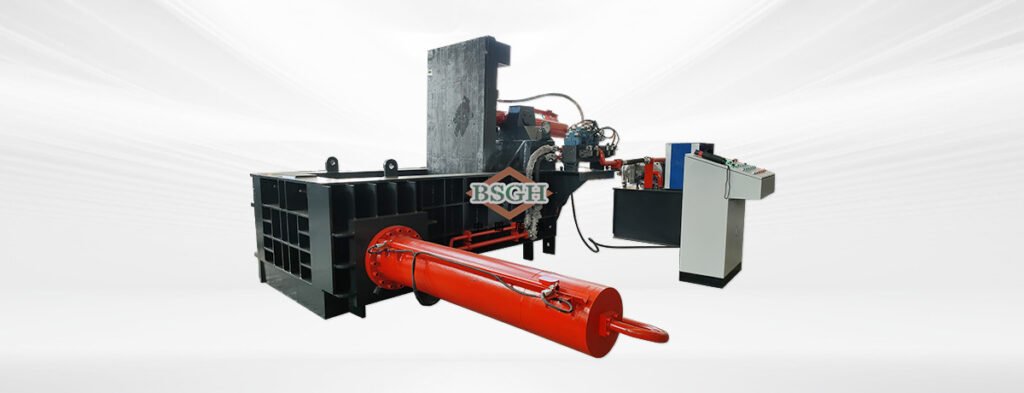
Unsere Metallballenpresse kann alle Arten von Metallschrott verarbeiten, neben Leichtmetallen und Schwermetallen auch Eisenmetalle und Nichteisenmetalle.

Unsere Maschinen verfügen über einen kleinen bis großen Druck von 80 T, 125 T, 135 T, 160 T, 200 T, 250 T, 315 T und 400 T. Wenn Sie nicht wissen, welchen Druck Sie wählen sollen, senden Sie uns bitte unten Ihr Materialbild und fordern Sie jetzt ein kostenloses Angebot an!

Teilen Sie mir Ihre Wünsche mit

Wir haben:

  • Einmotorige Häcksler
  • Doppelmotor-Häcksler
  • Leistung von 3KW bis 500KW und mehr
  • Alle Zerkleinerer werden entsprechend dem Rohmaterial des Kunden individuell angepasst.
  • Unsere Maschine kann alle Arten von Metallen, Kunststoff, Holzpaletten usw. zerkleinern.
  • Material der Schredderklingen: H13, SKD-11 und Unterstützung individuell angepasst.
  • Anzahl der Schredderzähne: Je nach Maschinentyp gibt es auch unterschiedliche Zähne.
  • Aktenvernichterpreis: von 4.900 bis 300.000 USD
  • Schreddertyp: Normaler Schredder und Hydraulikmotor-Schredder.

Können Sie mir sagen, welche Materialien Sie verarbeiten möchten? Klicken Sie unten und senden Sie ein Materialbild.

Logo des Herstellers BSGHGranulator

Normaler Elektromotor

Prozessmotorgehäuse | Motorstator | Motorwelle

Neue Energiemotor-Recyclingmaschine

Motorgehäuseschneiden | Motorstatorrecycling

Recyclingmaschine für Autostarter

Autostarter-Schneiden | Autostarter-Pressen | Autostarter-Heizung | Autostarter-Ziehmaschine

Recycling von Autolichtmaschinen

Schneidemaschine für Autolichtmaschinen | Ziehmaschine für Autolichtmaschinen

Motorenrecyclinganlage

Recyclinglinie für Motorstatoren | Recyclinglinie für Motorrotoren | Recyclinganlage für komplette Motoren

Transformator-Recyclingmaschine

Für das Recycling kleiner Transformatoren

Kompressor-Recyclingmaschine

Kompressorgehäuse-Schneidemaschine | Kompressor-Stator-Recycling

Recycling von Deckenventilatormotoren

Hauptsächlich zum Recycling von Deckenventilatormotoren

Recycling von Magnetschaltern für Kraftfahrzeuge

Für alle Arten von Auto-Magnetschalter

Recycling des Hinterradnabenmotors von Elektrofahrrädern

Für alle Arten von Elektrofahrrad-Nabenmotoren

Hydraulische Presse

Hauptsächlich zum Pressen aller Arten von Motorteilen | Unterstützung kundenspezifisch
SAG MIRWelche Motorentypen verarbeiten Sie?

Get 8 Free Miracle documents For Copper Recycling

popup
  • Free excellent pre-sale service gives you best purchase solution
  • Professional technology support when you use our machine
  • Ultimation operation guidance!

Just Leave Your Email, We will Send You Freely!

1: Get copper price today FREELY!

2: Enter into scrap metal group FREELY!

3: Leave your information, get a cable cutter for FREE!

4: ROI Analysis for FREE!

5: Get extra one year warranty for FREE!

6: Get usd100 coupon for FREE!

7: Get spare parts for FREE!

8: Best seller of the month FREELY!

Note: Your email information will be kept strictly confidential.

Note: Your email information will be kept strictly confidential.

Senden Sie Ihre Anfrage

Bitte füllen Sie das folgende Formular aus (teilen Sie uns Ihre Wünsche mit oder wählen Sie aus):

D-Serie - Unterschiedliche Kapazität
50 kg/h, 70 kg/h, 100 kg/h, 200 kg/h, 300 kg/h
N-Serie - Unterschiedliche Kapazität
300–500 kg/Std., 400–600 kg/Std., 1 t/Std., 1200–1500 kg/Std.

Teilen Sie uns entsprechend den oben genannten unterschiedlichen Kapazitäten Ihre Wünsche mit. Sobald wir Ihre detaillierten Informationen zu Ihren Wünschen erhalten haben, werden wir Sie umgehend mit professionellen Lösungen und Unterstützung vom Kauf bis zur Nutzung kontaktieren.