I. Einleitung
Radiator stripping machine blades play a key role in pure copper-aluminum separation, stable machine performance, and long-term operating cost. When your blades are sharp, properly installed, and well maintained, it can separate scrap radiators smoothly, reduce downtime and keep daily recycling work more efficient.
In this guide, BSGH-Granulator will explain how our radiator stripping machine blades work, how to identify blade wear, how to reduce blade damage, and how to replace blades safely when maintenance is required.
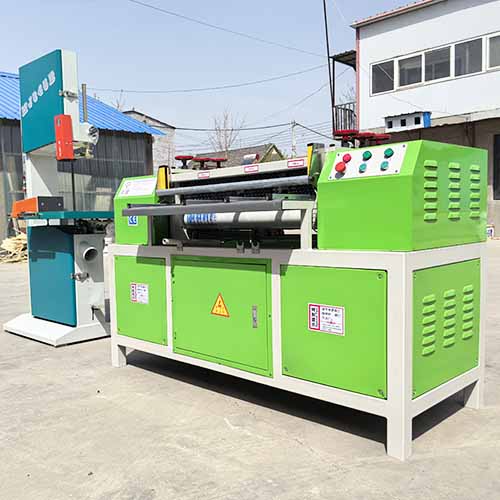
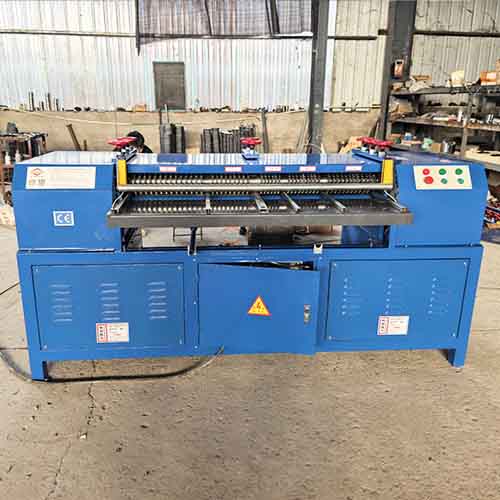
II. Radiator Stripping Machine Blade Maintenance Guide
1. What are radiator stripping machine blades used for?
Radiator stripping machine blades are used to separate copper tubes from aluminum fins in scrap AC radiators by cutting. As material enters the feeding panel, blades cut along with copper tube direction, helping your machine remove aluminum fins efficiently while keeping copper tubes pure and intact.
2. When do radiator stripping machine blades need maintenance?
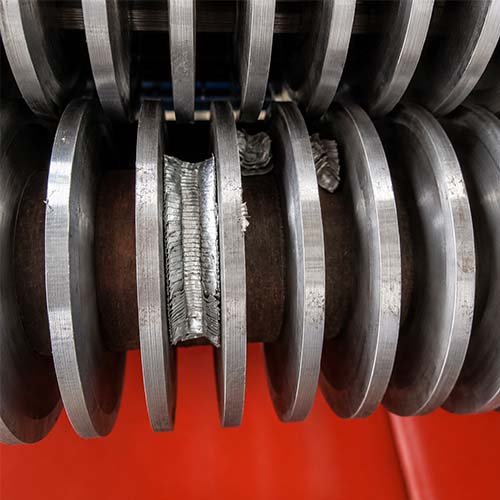
If your blades become slightly dull or loose. You may notice small amounts of aluminum remaining on the copper tubes. At this time, your machine blades need no immediate replacement, but you should be inspect, tighten or adjust in time.
3. When should radiator stripping machine blades be replaced?
Normally, your several pcs of radiator stripping machine blades need replacement after processing around 300 tons of scrap radiators. However, actual replacement time depends on radiator type, daily working hours, feeding method, and blade condition. Common replacement signs include:
- Blade edges are seriously dull.
- Blades have obvious notches, chips, cracks, or deformation.
- Copper and aluminum can no longer be separated cleanly.
- Aluminum fins are not stripped smoothly after adjustment.
Replacing damaged blades in time helps protect the machine, maintain clean copper output, reduce downtime, and keep the recycling process more efficient.
If you are not sure whether the blades need maintenance or replacement, you can send blade photos, working videos, and approximate processing volume to us. Our team can help evaluate the blade condition and recommend a right solution.
4. Do all blades need to be replaced at the same time?
Not always. Operators should first check full blade group and replace that are badly worn, chipped, cracked, or too dull to separate properly. For example, BS-1200P Heizkörper-Entschichtungsmaschine has 69 blades in total. In most cases, small blades work more frequently during copper-aluminum separation, so they may wear faster than big ones.
Thus, if only a few blades are damaged, partial replacement is enough. But if many blades are unevenly worn or no longer match in height and position, replacing a full set is better for smooth feeding and complete copper tube separation.
5. How to reduce radiator stripping machine blade wear before operation?
Proper material preparation is the easiest way to extend blade service life and keep your radiator stripping machine running smoothly. Before feeding scrap radiators, operators should follow these simple steps:
- Remove Hard Impurities First: Before feeding, cut off iron ends on both sides of your radiator and remove steel frames, screws, thick metal parts, and other hard impurities.
- Pre-Cut Wide Radiators to a Suitable Width: If radiator is too wide, please use band saw to cut it into a suitable size before feeding.
- Check Your Radiator Layer: Copper aluminum separator machines can directly process single-layer and double-layer radiators. For multi-layer radiators, use a band saw to cut them into single-layer or double-layer sections before stripping.
- Use Correct Material Inlet: Different feeding inlets are designed for different copper tube center distances, such as 19mm, 21mm, and 25mm. Choosing correct inlet improves separation efficiency, protects blade, and helps produce cleaner copper and aluminum output.
- Keep Radiator Aligned: When feeding material, keep its left side close to the guiding ruler and push it straight into inlet. The feeding gear should be positioned between two copper tubes.
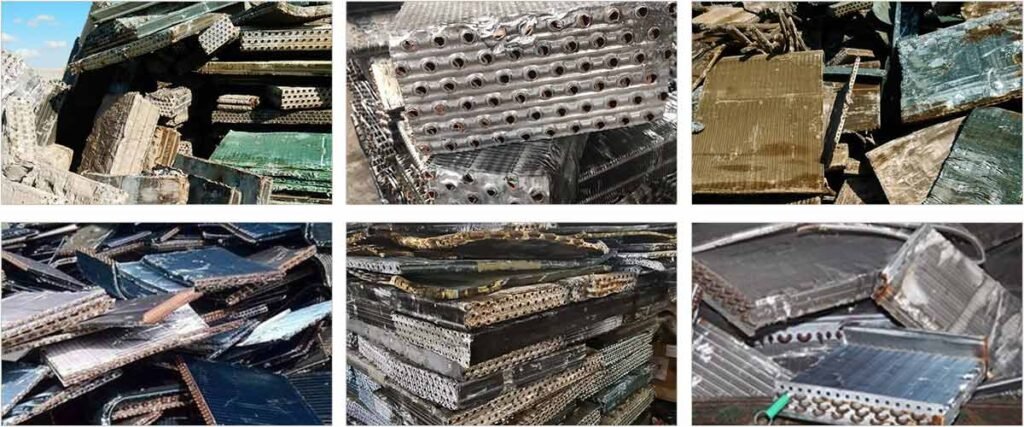
- Avoid badly deformed radiators: Twisted, aged, heavily damaged, or irregular radiators are not suitable for direct stripping. If your materials are mostly mixed, deformed, or irregular radiators, our BS-ACP1000 radiator recycling line is a better solution.
6. Daily blade maintenance tips
Operators should check your radiator stripper blade condition before and after each working day.
- Before operation:
- Check whether blade edges are sharp, complete, and free from visible damage.
- Make sure there are no chipped, cracked, loose, or deformed blades.
- Ensure no hard foreign objects are left near the blades before feeding radiators.
- Clean aluminum foils between pressing plates.
2. During operation:
- Inspect final product quality. If aluminum fins remain on the copper tubes, the blades may be dull, misaligned, or worn.
- Stop the machine immediately if jammed.
3. After operation:
- Clean aluminum pieces and copper residue around blades again.
- Check whether blade fixing bolts and holders are still tight.
- Inspect blade edges again, especially after processing hard, dirty, or deformed radiators.
- Clean aluminum foils between pressing plates again.
Keeping blades clean, sharp, firmly fixed, and correctly aligned helps reduce copper tube damage, improve copper-aluminum separation quality, and lower long-term maintenance costs.
7. How to replace radiator stripping machine blades safely?
Replacing radiator stripping machine blades should always be done with care. Incorrect installation affects copper-aluminum separation rate, reduces machine performance, or causes unnecessary damage. To ensure safe operation and stable separation results, follow the steps below:
Step 1: Power Off Your Machine
Turn off the machine completely and disconnect the power supply. Wait until all moving parts have fully stopped.
Step 2: Prepare Tools and Safety Protection
Wear cut-resistant gloves, safety glasses, and suitable work clothes. Prepare replacement blades, tools, bolts, sleeves, and other required parts in advance.
Step 3: Remove the Old Blade Group Carefully
- Loosen fixing bolts on the blade shaft. When removing the blade group, keep one end of the shaft in its original position as a reference point.
- Remove blades, sleeves, and related parts one by one. Place sleeves in order, such as 1 to 10, so they can be installed back in their original positions.
Step 4: Install New Blades in Correct Order
- Install new blades and sleeves back onto the shaft according to the original order. Make sure each blade is positioned correctly and each sleeve is placed in the right location.
- After all parts are assembled, tighten fixing bolts properly. Check blades are secure, sleeves are correct, and no looseness.
Step 5: Test Machine Before Normal Production
- Run the machine without load first. If it runs smoothly with no abnormal noise, vibration, or blade interference, test it with a small amount of radiator material.
- Once stable feeding and clean copper-aluminum separation are confirmed, normal production can begin.
If you are not sure about blade direction, sleeve order or installation position, contact us freely before restarting the machine. Our team can provide guidance on blade replacement, photos, videos, and technical support to help you complete the replacement safely and correctly.
8. Common problems and troubleshooting tips
If your radiator stripping machine starts producing less clean copper-aluminum separation, the problem is usually related to blade wear or machine adjustment.
This troubleshooting guide helps you find the cause quickly and take fast response, keeping your machine running smoothly with cleaner output and less downtime.
| Problem | Possible Blade-Related Cause | Recommended Action |
| Aluminum fins remain on copper tubes | Blade edge is dull, worn, or not cutting evenly | Adjust first, if still does’t work, Replace serious worn blades. |
| Copper tubes are scratched, flattened, or damaged | Blade gap is too narrow | Adjust the 2nd-row or 3rd-row handle to a suitable gap. |
| Blade service life becomes shorter than expected | Damaged blades are still being used, causing uneven cutting and faster secondary wear | Replace damaged blades early. |
The above form can help you solve most common blade issues. For special problems or uncertain situations, simply send us your machine model, blade photos, or working video. We will help you identify the cause and recommend a right solution.
9. Why Choose Original Blades?
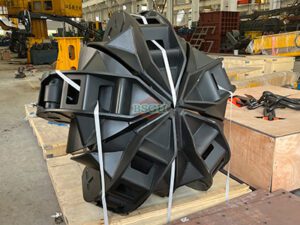
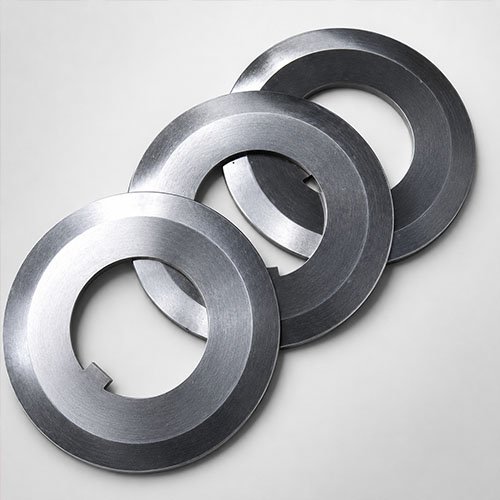
Our original blades are designed to match our patented radiator stripping machines, helping ensure smooth feeding, stable cutting, and clean copper-aluminum separation. Made from HSS high-speed steel, they provide strong hardness, good wear resistance, and reliable performance in daily recycling work. Compared with non-standard blades, original blades fit the machine better, reduce abnormal wear, protect key parts, and help extend your radiator stripping machine’s lifespan.
III. Fazit
Well-maintained blades help your radiator stripping machine run smoother, separate copper and aluminum more completely, and reduce unnecessary downtime. Regular inspection and timely blade replacement are simple but important steps to protect your machine and keep your recycling work profitable.
Original blades from BSGH Granulator are designed to match our radiator stripping machines, ensuring stable feeding, clean separation, and reliable daily operation. If you are unsure whether your blades should be adjusted or replaced, send us your machine model, blade photos, or working video. Our team will help you choose the right solution quickly.
Links:
- Welche Arten von Schrottheizkörpern können mit einer Heizkörperrecyclingmaschine verarbeitet werden?
- Den verborgenen Wert Ihrer alten Klimaanlage freisetzen: Der umfassendste Recycling-Leitfaden im Jahr 2025
- Radiator Recycling Machine For Sale
- How to Scrap an Old Refrigerator?

 German
  English
  Spanish
  Portuguese
  French