Can Copper Wire Be Burned Without Smoke?
Burning insulation may seem like a quick way to recover copper from scrap wire. However, there is no simple method to ensure smoke-free, pollution-free burning. You can control combustion to reduce smoke under suitable conditions.
This guide explains what affects smoke, what to check when considering an incinerator from BSGH Granulator, and when a mechanical copper wire recycling machine may be a better fit.
Why Does Burning Cable Insulation Produce Smoke?
When copper wire is burned, it is mainly the cable insulation that combusts—not the copper itself. Its composition, moisture content, feed rate, and combustion conditions all affect the process. Incomplete combustion can produce smoke, while different insulation materials can release different pollutants.
For example, burning PVC can release hydrogen chloride and may generate dioxins and furans. These concerns cannot be assessed from smoke appearance alone. U.S. EPA’s guidance on PVC combustion explains why insulation material identification and suitable emission controls matter.
What does “smokeless” mean? Treat reduced smoke as an operating observation, not a guarantee of zero emissions. Emission claims require relevant testing for the equipment, material, and operating conditions.
BSGH Granulator 001 and 002 Incinerators: What to Consider
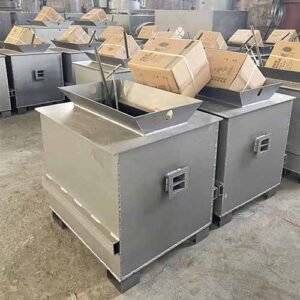
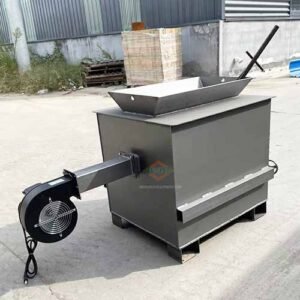
For customers who want to burn smaller quantities of scrap wire, BSGH Granulator offers 001 and 002 incinerator models for discussion with our technical team. Suitability depends on the insulation type of your copper wires, workload, equipment configuration, and local requirements. A small quantity of wire alone does not make incineration the right choice.
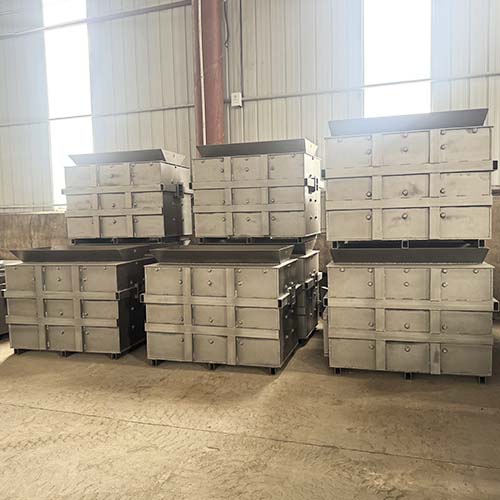
001 and 002 incinerators feature a 4 mm A3 steel outer casing and a 12 mm heat-resistant boiler steel combustion chamber, providing a durable structure for controlled thermal processing. If you want to recover copper from insulated wire efficiently, choosing the right equipment is only part of the solution.
Safe and compliant operation is equally important. Before installation, confirm the required electrical supply, approved ignition fuel, permitted feed materials, and recommended duty cycle for your selected model. Electrical power requirements should be evaluated separately from the fuel used for combustion.
With the right incinerator, proper emission control, and correct operating conditions, you can recover copper from waste wire more efficiently while meeting environmental and operational requirements.
How Does Controlled Airflow Help Reduce Smoke?
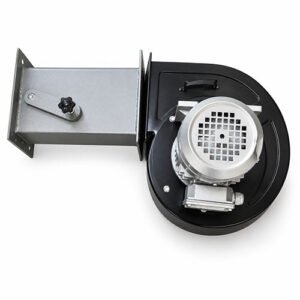
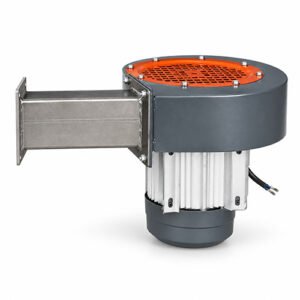
The incinerator’s air blower supplies air to the combustion chamber. Adequate air supply can support more complete combustion and reduce smoke associated with oxygen shortage. However, airflow is only one factor: material composition, loading, temperature, and equipment condition also matter.
Burning copper wire without smoke is not simply a matter of adding more air. The key is to use the correct airflow settings for the machine and material, while combining stable combustion with proper flue-gas treatment and emission control. More airflow alone cannot guarantee cleaner emissions.
What to Do If Abnormal Smoke Appears
If smoke suddenly increases or the equipment operates abnormally, stop and follow the troubleshooting procedure in the operating manual. Do not rely on airflow adjustment alone to solve the problem. Proper operation, suitable process settings, and appropriate emission-control measures are all important for reducing smoke and maintaining safe, stable copper wire recycling:
Check copper wire and loading conditions
Confirm your copper wire is approved for the incinerator and loading follows our instructions. Excess moisture, unsuitable insulation, or an inconsistent feed rate may affect combustion. Do not treat mixed or unidentified cable insulation as a single, predictable material.
Follow the approved startup procedure
Strictly abide by the ignition methods and fuels specified in the operating manual. A general guide cannot replace the startup instructions for your equipment. Improvised fuel addition or restarting without identifying an abnormal condition can create additional hazards.
Check the air supply and equipment before continuing
Inspect the blower, airflow controls, and any installed exhaust or emission-control equipment according to the maintenance instructions. Do not rely on higher airflow alone to eliminate smoke. If smoke persists, stop the process and check the operating conditions and equipment setup. Contact us for technical support if the cause cannot be identified.
How Should You Choose Suitable Copper Wire Recycling Methods?
Suitable copper wire recycling methods should be considered alongside your wire volume and diameter, insulation type, labor requirements, and the quality of recovered copper. Mechanical recycling removes insulation without burning it.
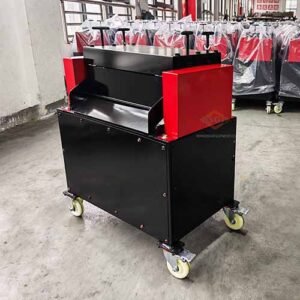
Stripping for suitable individual copper wires
Wire Stripper may be a practical option that can be fed and processed individually. Assess cable diameter, length, construction, and the labor needed to prepare and handle each batch.
Granulation for larger volumes of suitable copper wire
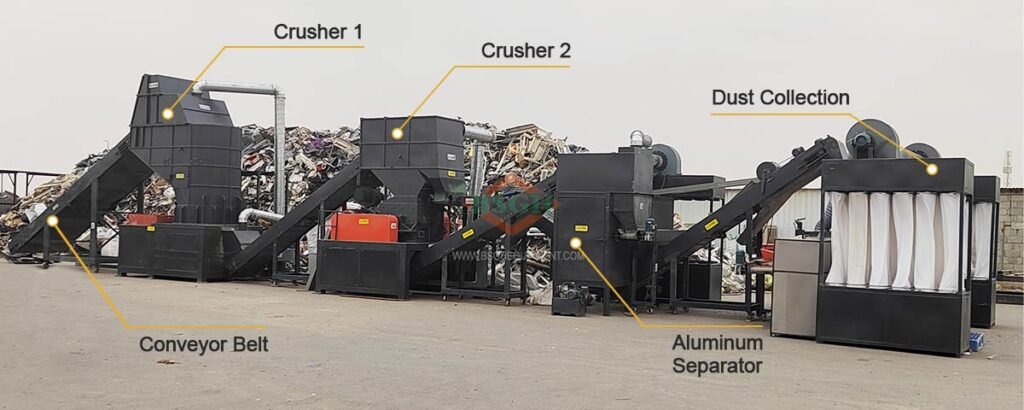
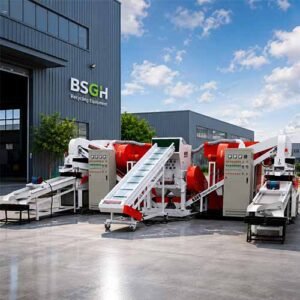
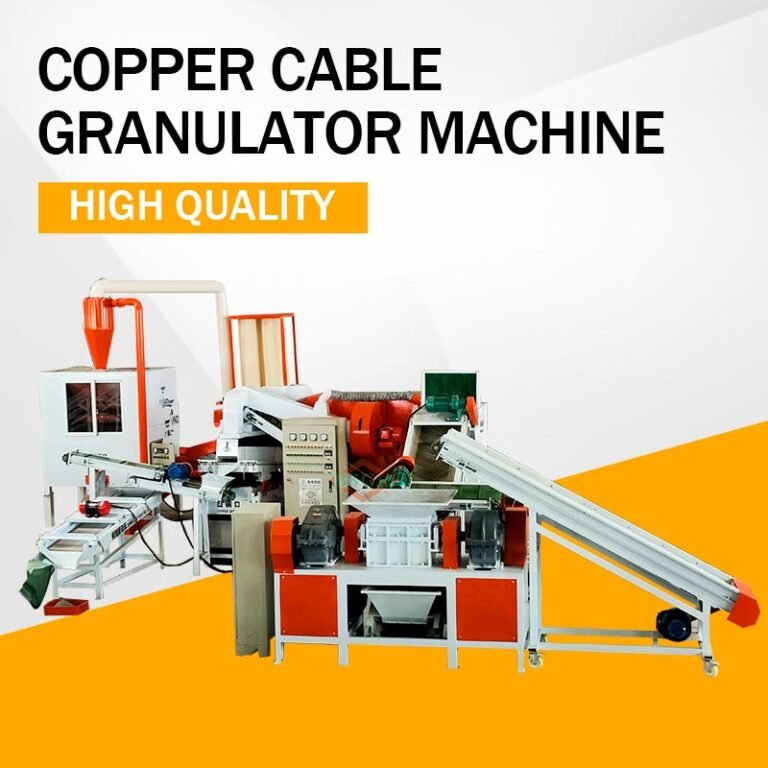
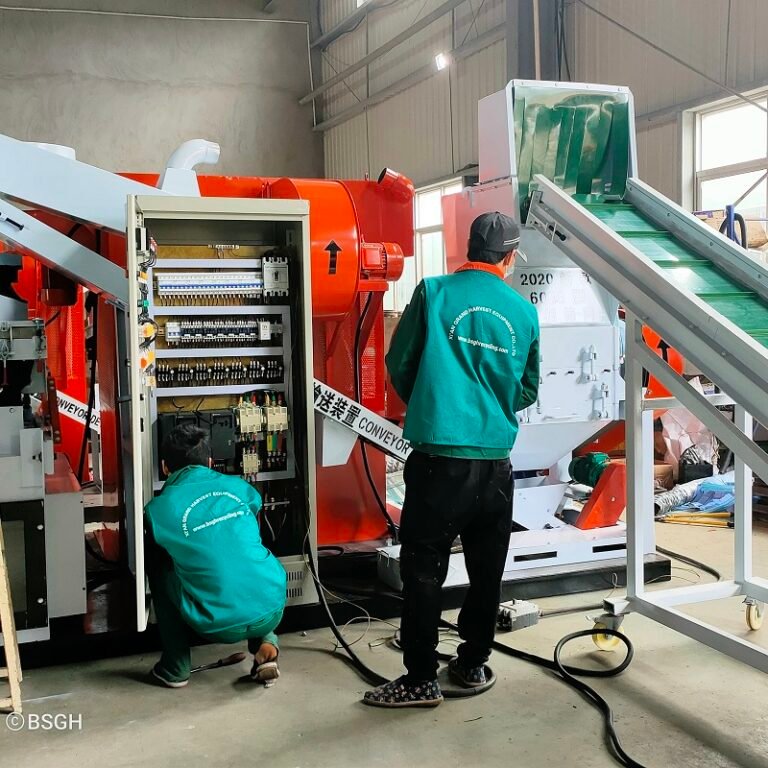
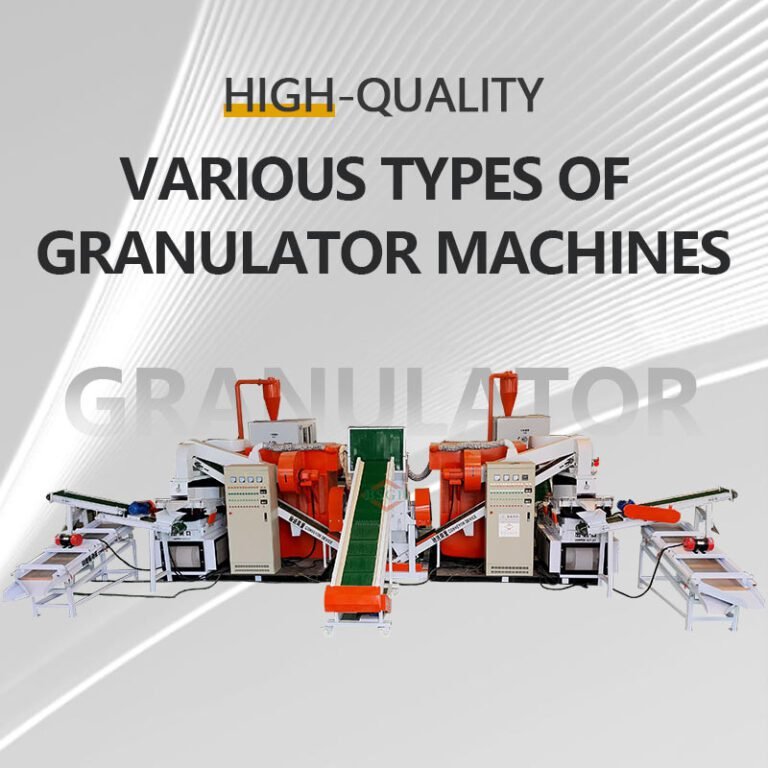
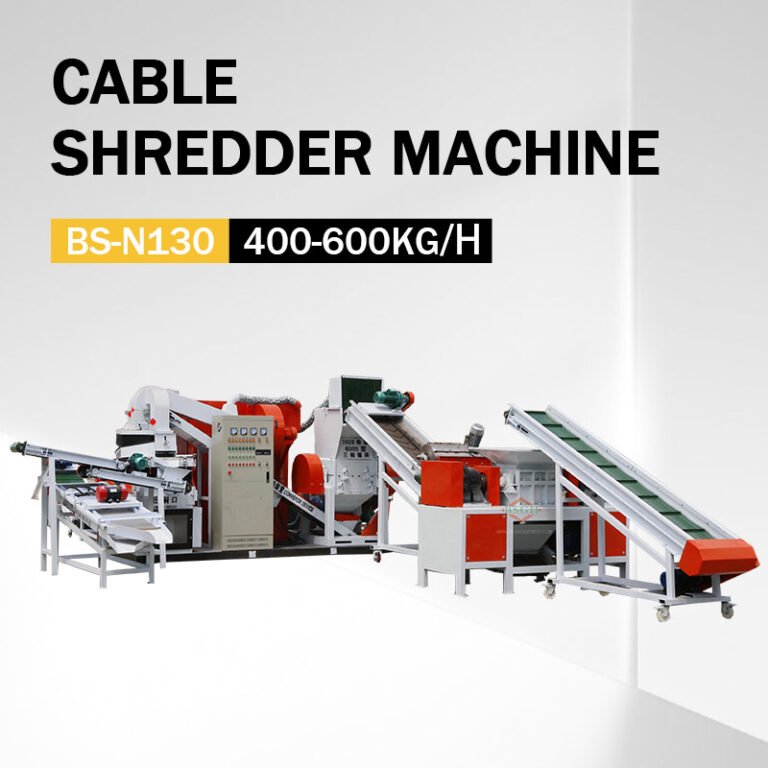
If you process bulk quantities of suitable scrap wires, a copper granulator may be a more practical solution. It reduces the cable into smaller pieces and separates the metal and insulation fractions. Compare feed preparation, throughput, separation requirements, energy use, and dust-control needs when selecting a system.
Thermal treatment only after an application assessment
If mechanical recovery doesn’t fit you, assess thermal treatment with a qualified supplier and the relevant local authority. Confirm permitted materials, emission-control requirements, and residue management before choosing equipment. The Stockholm Convention’s copper cable treatment guidance (2008) discusses mechanical recovery and controlled thermal alternatives to open burning.
Choosing a Suitable Solution for Your Copper Wire
Burning copper wire without smoke is friendly to environment. However, a suitable copper wire recycling solution should also consider material suitability, copper recovery efficiency, operating costs, emissions control, and local environmental regulations. Please remember never burn insulated copper wire in the open.
Send BSGH Granulator clear photos of your scrap wires, along with the approximate diameter, insulation type, daily processing volume, and your country. Our team can help compare the 001 and 002 incinerator models with wire stripping or granulation options for your application.
 English
  Spanish
  Portuguese
  German
  French