I. Introduction
As copper prices continue to rise, copper granulator machines have become an important solution for scrap yards, cable recyclers, and metal recycling businesses to recover copper from waste cables more efficiently. However, with different machine types, processing capacities, separation systems, and configurations available on the market, understanding how a copper granulator works is essential before choosing the right solution.
This guide covers everything you need to know about copper granulator machines—from their working principle and suitable materials to machine structure, blade materials, separation technology, maintenance, and final product quality. By the end of this guide, you will have a clearer understanding of how copper granulators work, what affects their performance, and how to choose a machine that fits your recycling needs.
II. Ultimate Guide
1. What is a copper granulator?
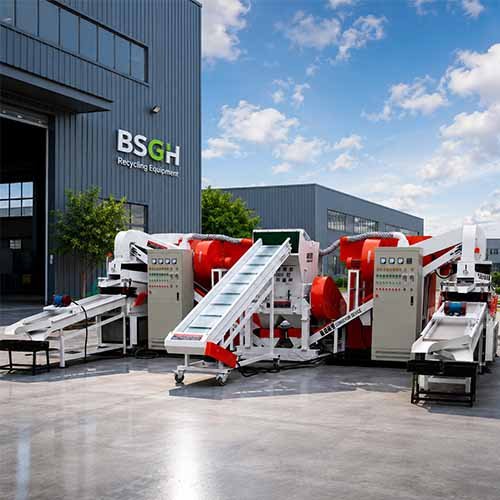
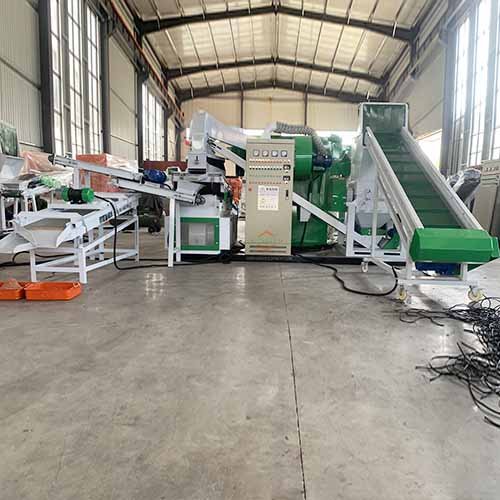
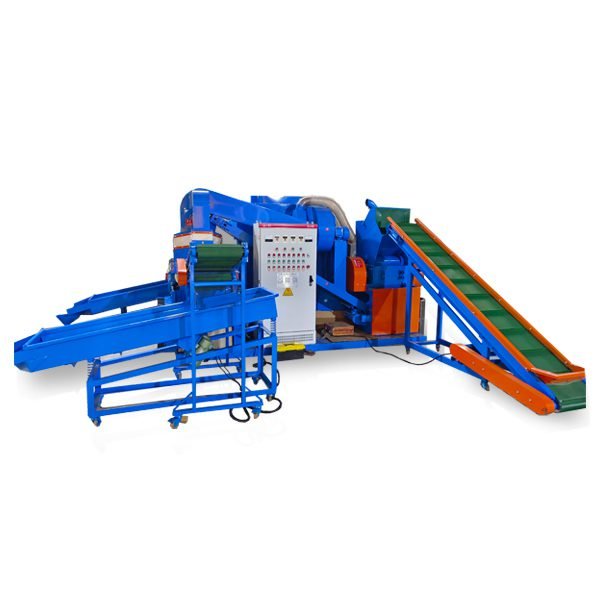
A copper granulator is a cable recycling machine used to process scrap copper wires up to 30 mm in diameter. It crushes cables and separates copper from plastic insulation, producing clean copper granules and plastic granules that can be collected and sold separately.
Unlike copper cable stripping machine removes insulation from cables one by one, copper granulator is more suitable for recyclers who handle bulk scrap wires and want a more efficient and labor-saving recycling process. It is widely used in scrap cable recycling, metal recycling plants, scrap yards, e-waste recycling facilities, and cable manufacturing waste processing.
2. What are the benefits of using a copper granulator?
Using a copper granulator brings clear benefits to scrap yards and cable recycling businesses:
- Higher Processing Capacity: A copper granulator can process large quantities of scrap cable continuously, greatly reducing your cable piles and freeing up more space for storing new scrap cables.
- Less Manual Labor: A copper granulator greatly reduces manual work by automating the cable recycling process. In many recycling operations, one operator can manage the main process, making production easier, faster, and more cost-effective.
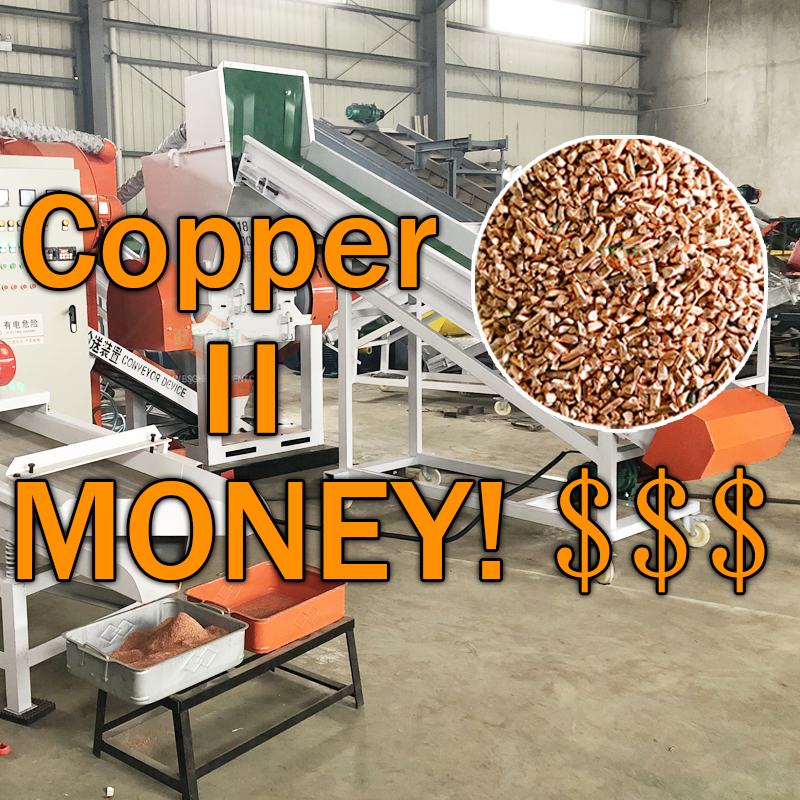
- Pure End Products: Copper granulator helps you recover 100% pure copper granules and clean plastic particles. The copper “rice” can be sold at a higher value, and separated plastic can also generate extra income—so every ton of scrap cable brings better returns.
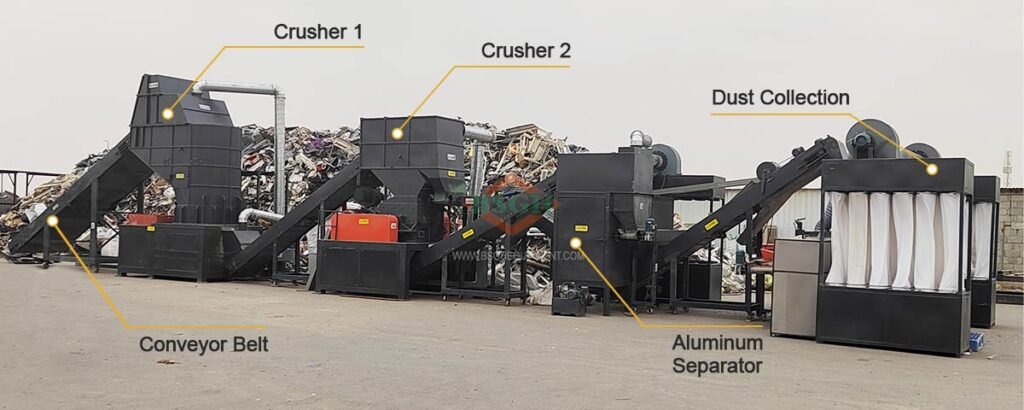
- Environmentally Friendly: Instead of the old method of burning cables to recover copper, the copper granulators are equipped with dust collection systems to reduce workshop pollution, creating a clean workshop with no dust.
3. What types of copper granulators are available?
Copper granulators are mainly divided into two types: dry type copper granulators and wet type copper granulators.
- A dry type copper granulator separates copper from plastic insulation through crushing, airflow separation, and vibration separation. The whole process does not require water, so there is no wastewater treatment, less environmental pressure, and easier daily maintenance.
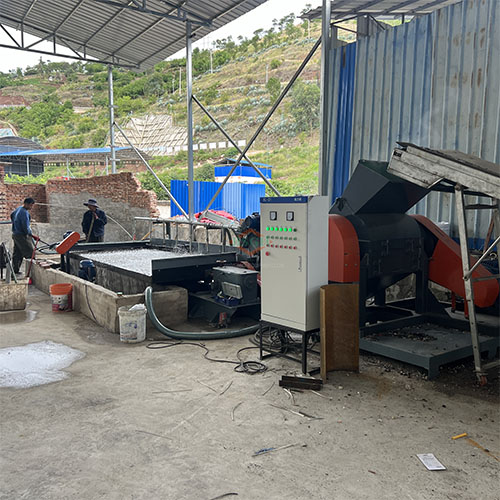
- A wet-type copper granulator adopts water separation method, requiring wastewater handling and stricter environmental management, which may increase operating costs and make the recycling process more complicated.

4. Why do modern copper granulators use dry-type separation?
Modern copper granulators use dry-type separation because it is cleaner, easier to maintain, and more practical for daily recycling operations. You can check dry granulation process flowchart for more.
- Unlike wet separation, a dry-type copper granulator does not require water during the recycling process. This means no waste water, no water treatment system, and fewer environmental concerns for your workshop.
- After dry separation, the recovered copper, aluminum, and plastic remain clean and dry, making them easier to collect, store, transport, and sell.
- For scrap yards and cable recycling plants, dry-type copper granulators help reduce maintenance work, lower operating costs, improve workshop cleanliness, and make daily production more stable.
5. When should I choose a wet-type copper granulator?
You can choose a wet type copper granulator when you have ultra-fine cables and difficult to separate by dry airflow and vibration alone. However, wet-type machines require water, waste water treatment, and extra drying, so they are only suitable for facilities with proper environmental treatment systems.
6. What is a small copper granulator?
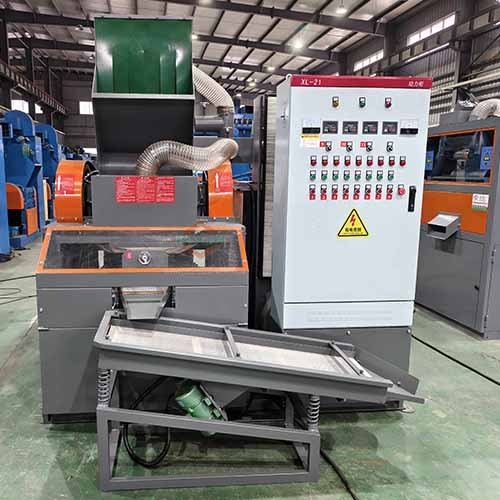
A small copper granulator is a compact cable recycling machine with a processing capacity under 300 kg/h. Because of its small footprint, simple operation, and lower investment cost, small copper granulator is especially suitable for small scrap yards, individual recyclers, cable collectors, and start-up recycling businesses.
7. What is a medium copper granulator?
A medium copper granulator is a practical choice for scrap yards and recycling plants that need higher output without investing in a large-scale recycling line. With a typical processing capacity of 300–500 kg/h, it offers a good balance between production capacity, separation efficiency, investment cost, and workshop space. Compared with small models, the medium copper granulator can handle larger volumes of scrap wires while achieving higher separation rate.
8. What is a large copper granulator?
A large copper granulator is built for industrial-scale cable recycling, usually with a processing capacity of over 500 kg/h, suitable for recycling plants, large scrap yards, and metal recycling companies that need to process large volumes of scrap wires every day.
Compared with small and medium copper granulators, a large copper granulator offers stronger crushing power, faster processing speed, and more stable separation performance. It helps recyclers reduce manual labor, handle heavy workloads more efficiently, and recover clean copper granules with less material loss.
9. Can copper granulators process automotive wiring harnesses?
Yes. Car wiring harnesses usually contain many small copper wires covered with plastic insulation, hard to strip but fit for copper granulator to process. However, before feeding them into the copper granulator, you’d better remove large plugs, connectors, terminals, tapes, and other non-cable parts. These impurities may affect the separation result, increase blade wear, or reduce the purity of the final copper and plastic output.
10. Can copper granulators process armored cables?
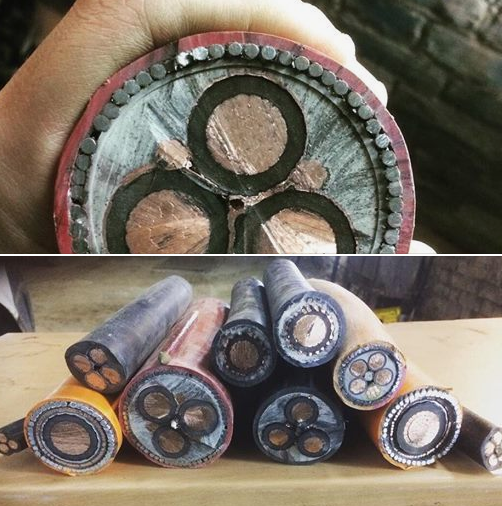
Yes, copper granulators can process armored cables up to 30 mm in diameter, but because of its hard steel or metal protective layer, strongly suggest you adding a pre-shredder to protect the machine blades, improve separation results, and recover cleaner copper.
11. Can copper granulators process aluminum cables?
Of course. But please pay attention: Aluminum is lighter than copper, copper granulator settings—especially airflow and vibrating table adjustment—need to be matched to cables for better separation results.
For mixed copper and aluminum cables, you’d better sort before processing. It helps produce cleaner metal granules, reduces material loss, and allows recyclers to sell the final copper and aluminum at a better value.
12. Can copper granulators process mixed scrap wires?
Yes. However, for better separation results and more stable operation, we recommend removing large connectors, plugs, steel parts, and other non-cable materials before feeding. Please note that the actual capacity may be lower than processing pre-sorted cables.
13. Why should cables be sorted before using a copper granulator?
Cables should be sorted before using a copper granulator because different cable types require different crusher screen sizes, airflow settings, and vibrating table adjustments:
- When similar cables are processed in batches, operators only need to set the screen, air separator, and vibrating table once, allowing machine to run more smoothly and consistently.
- Proper sorting helps improve copper and plastic separation rate, reduce copper loss, and minimize blade wear.
14. What cables are not suitable for a standard copper granulator?
Difficult materials such as heavily armored cables, steel wire reinforced cables, oversized power cables, oily cables, cables with large connectors, or wires mixed with non-cable waste are not recommended for direct feeding. Without proper pre-process, they may reduce copper purity, increase blade wear, overload the crusher, or cause blockage.
15. Can a copper granulator process radiators?
Yes. Copper granulator with pre-shredder can process radiators, and you’d better cut ac radiator into small pieces. However, if you process radiators regularly or in large volumes, we recommend using a professional radiator stripping machine.
16. Can a copper granulator process fuses?
Yes, our N series copper granulators can process certain types of scrap fuses, especially those containing recoverable copper, aluminum, and plastic materials. For better performance, we recommend sorting the fuses before feeding and removing large non-recyclable parts when necessary.
17. Can a copper granulator process PCBs (circuit boards)?
Yes, a copper granulator can handle small quantities of PCBs or circuit boards, but it is not the best choice for large-volume PCB recycling. If you need to process PCBs regularly or in large quantities, a specialized PCB recycling machine is recommended for better recovery efficiency, cleaner separation, and more stable operation.
18. Can a copper granulator process eyeglass frames?
Yes, copper granulators can handle eyeglasses frames that contain recoverable metal and plastic materials.
For customers who regularly recycle eyeglass frames, we recommend sending material photos or samples first. BSGH Granulator can evaluate the material composition and recommend the right granulator configuration to achieve stable processing and better recovery value.
19. What is a pre-shredder in a copper granulator?
Pre-shredder is installed before the main crusher in a copper granulator. Its job is to crush long, bulky, tangled, or irregular scrap cables into smaller pieces before granulation. This step helps prevent feeding jams, reduces the load on the main crusher, and protects the blades from excessive wear.
20. What is a main crusher in a copper granulator?
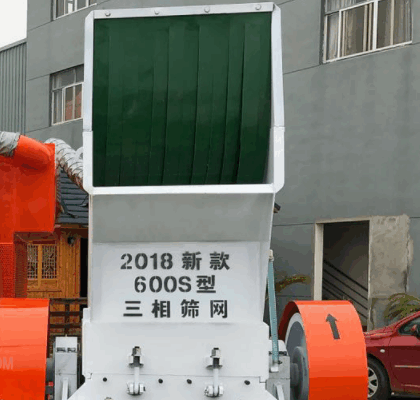
Main crusher is one of the core components in a copper granulator. It can tear waste cables into small, uniform granules, making it easier for the following separation system to separate copper from plastic insulation.
During operation, scrap cables are fed into the crusher chamber, its rotating blades quickly cut the cables into even particles. A well-designed crusher helps improve separation accuracy, reduce copper loss, and ensure more stable output quality.
21. What is air separator in a copper granulator?
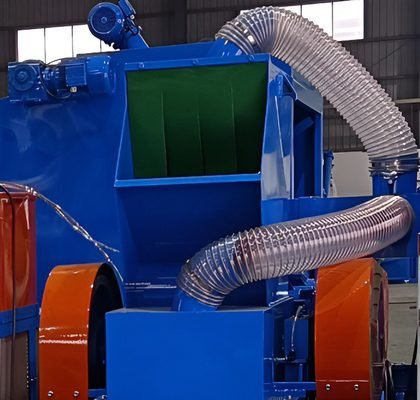
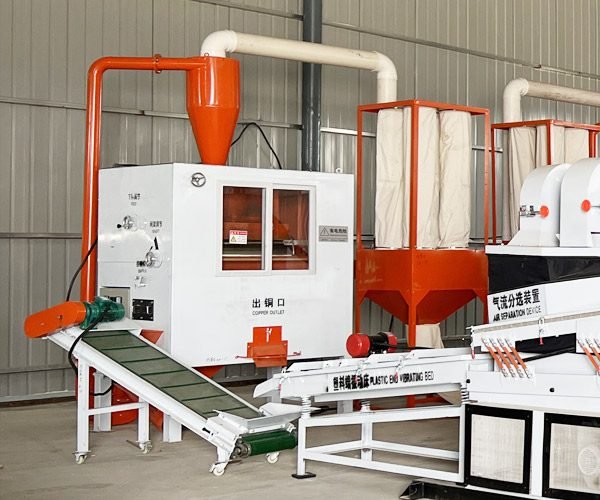
Air separator is one of the key separation systems in a copper granulator. After scrap cables are crushed into small pieces, controlled airflow separates heavier copper particles from lighter plastic insulation.
During separation, copper granules and lighter plastic particles are carried to two different outlets. The airflow must be adjusted according to cable type, granule size, and metal content to ensure clean and stable separation.
22. What is a vibrating table in a copper granulator?
A vibrating table is an essential separation component in a copper granulator. After air separator removes most of the plastic from copper granules, vibrating table further separates the remaining copper particles from plastic by using vibration, airflow, and density differences.
Because copper is heavier than plastic insulation, they move differently on the vibrating table. This secondary separation helps reduce metal loss, improve output purity, and produce cleaner recyclable materials.
Proper adjustment of vibrating table is important for stable separation performance. It helps recyclers reduce plastic contamination in the final copper output.
23. What is an electrostatic separator in a copper granulator?
Electrostatic separator is optional but important separation unit in a copper granulator system, mainly used to further separate fine copper particles from plastic particles after the air separation and vibrating table separation.
In the ultra-fine cable recycling process, some very small copper particles may still remain mixed with plastic after crushing and airflow separation. Electrostatic separator uses the difference in electrical conductivity between copper and plastic to separate them more accurately. Since copper is conductive materials, while plastic is non-conductive, the machine can help recover more valuable metal and reduce metal loss in the plastic output.
24. What is a magnetic separator in a copper granulator?
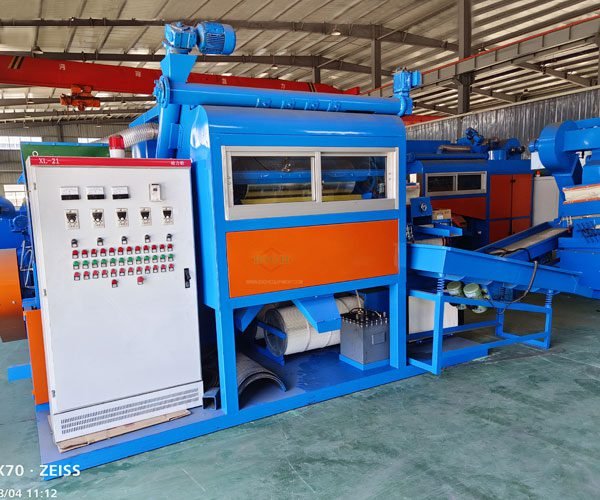
Magnetic separator can remove ferrous metals, such as iron, from crushed cable materials. Scrap cables may contain steel wires, iron connectors, plugs, or other magnetic parts. By adding magnetic separation, the system can protect blades, improve copper purity, and make the whole recycling process more stable and efficient.
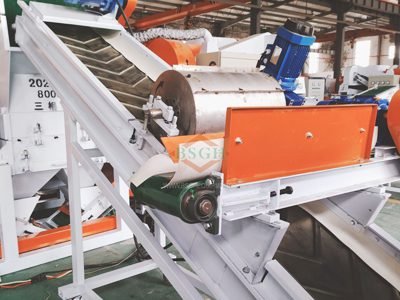
25. What is main crusher sieve used for?
Main crusher sieve controls final copper granule size after cable crushing. It should be selected according to the cable diameter. Thicker wires usually require a larger mesh opening. If the particles are too large, copper and plastic may not separate cleanly; if they are too fine, dust and copper loss may increase.
BSGH Granulator offers different sieve sizes for different cable materials, helping customers achieve cleaner separation, higher recovery rates, and more stable production.
26. What is air separator sieve used for?
Air separator sieve is used to control the particle size of the crushed copper and plastic mixture during air separation. By allowing properly sized particles to enter the separation chamber, it helps the airflow separate heavier copper granules from lighter plastic particles and guide them to different outlets for further separation.
27. What is vibrating table sieve used for?
Vibrating table sieve can control final copper rice size and improve the separation rate of a copper granulator. Proper sieve selection allows the vibrating table to work more efficiently, helping copper move to the correct outlet while lighter plastic particles are separated more cleanly.
28. What is conveyor belt used for?
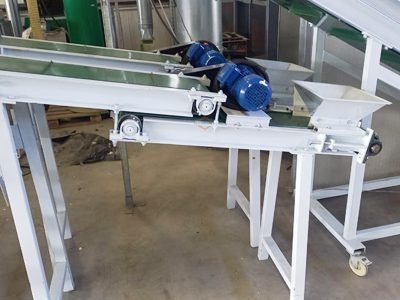
Conveyor belt is used to transport scrap cables or crushed materials during entire process. It helps move materials smoothly from the feeding area to the crusher, separator, or other processing equipment.
In a complete copper wire recycling line, conveyor belts improve feeding efficiency, reduce manual labor, and keep the production process more stable and continuous, helps prevent material buildup, improves workflow, and makes the whole copper granulation process safer and easier to operate.
29. What blade materials are used in a copper granulator?
In the market, common granulator blade materials include 55SiCr, 9SiCr, Cr12MoV, and SKD11 tool steel. Each material has different advantages in toughness, wear resistance, cutting performance, and cost.
- 55SiCr is a cost-effective blade material with good toughness and impact resistance. It is less likely to chip when processing mixed cables that contain small iron impurities or harder materials. However, its wear resistance is relatively limited, so the blades may require more frequent sharpening and replacement during long-term use.
- 9SiCr is a commonly used low-alloy tool steel for granulator blades. It offers good hardenability, tempering stability, and better wear resistance than ordinary spring steel materials. It is suitable for general cable recycling applications where a balance between toughness, cutting performance, and cost is required.
- Cr12MoV is a high-carbon, high-chromium cold-work tool steel with strong hardenability, high strength, and excellent wear resistance. It is commonly regarded as a Chinese equivalent or similar grade to SKD11 / AISI D2. Compared with 9SiCr, Cr12MoV normally provides longer wear life and better edge retention, making it a reliable choice for high-performance copper granulator blades.
- SKD11 is a Japanese standard high-carbon, high-chromium cold-work tool steel. It is known for high hardness, strong wear resistance, and good dimensional stability after heat treatment. As a premium blade material, SKD11 is especially suitable for customers who process large volumes of scrap cables and require longer blade service life, less frequent sharpening, and more stable cutting performance.
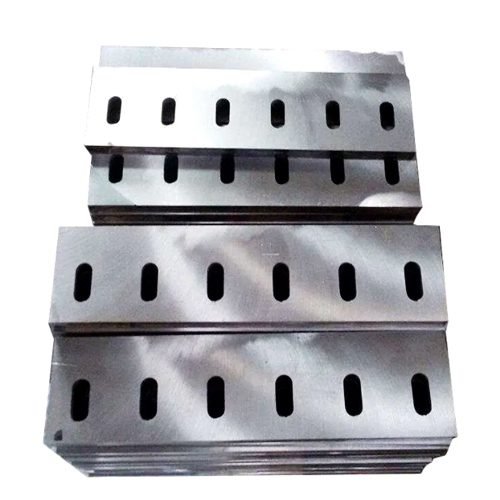
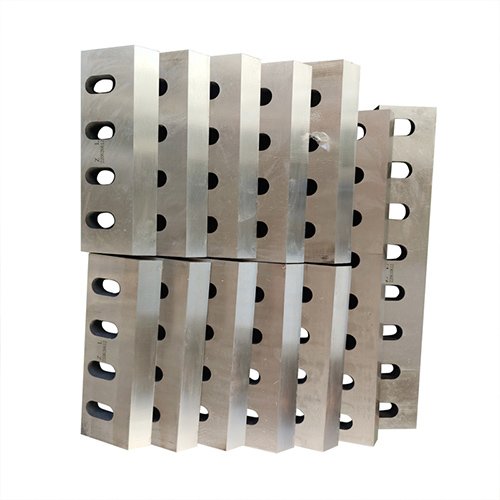
At BSGH Granulator, we select suitable blade materials according to different machine models and customer recycling needs, helping users achieve stable crushing, efficient separation, and lower long-term maintenance costs.
30. Why do some copper granulator users achieve better separation results than others?
Some copper granulator users achieve better separation results because they prepare the materials properly, maintain the machine regularly, and adjust the equipment correctly during operation.
- Well-sorted cables are always easier to separate than mixed materials containing plugs, steel parts, connectors, rubber, or other impurities. To produce cleaner copper and reduce material loss, recyclers should remove non-cable materials before feeding.
- Regular maintenance is also important. Keeping the blades sharp, checking the screens, cleaning the separation system, and maintaining stable feeding can help the machine run more smoothly and deliver more consistent results.
- Correct operation is another key factor. Users should choose the right screen size and adjust the airflow and vibrating table according to the final output. With proper material preparation, routine maintenance, and correct machine adjustment, a copper granulator can achieve higher recovery rates, cleaner copper granules, and more stable long-term performance.
31. How can I choose a suitable copper granulator?
Choosing a suitable copper granulator starts with your material. Cable type, diameter range, material composition, and daily processing capacity all affect the machine configuration.
For household wires, automotive wiring harnesses, and small mixed copper wires, a small or medium dry-type copper granulator is usually enough. For large-volume mixed cables, thick power cables, aluminum cables, or armored cables, a complete copper granulating line with pre-shredding, crushing, magnetic separation, air separation, vibration separation, and optional electrostatic separation is a better choice.
To avoid choosing a wrong machine, please provide cable photos, expected capacity and we will recommend the right model, helping you improve recovery efficiency and get a faster return on investment.
32. What is the difference between your D series and N series copper granulators?
The main difference between D series and N series copper granulators lies in machine configuration, processing capacity, material adaptability, and budget.
- D series is a practical and cost-effective solution for standard scrap cable recycling. It is suitable for ordinary copper wires, aluminum wires, household wires, communication cables, and general mixed scrap wires. With a simple layout, stable separation performance, and lower investment cost, the D series is ideal for small and medium scrap yards that need reliable recycling results without overspending.
- N series is our high-end copper granulator line, built for higher capacity and more demanding recycling work. It offers stronger feeding performance, heavier-duty crushing power, better material adaptability, and more stable operation when processing mixed wires, plug wires, tougher cables, and larger daily volumes.
If your main concern is budget and standard cable recycling, the D series is a smart choice. If you need higher efficiency, longer continuous operation, less frequent adjustment, and better performance on complex materials, the N series is the better investment.
33. Can copper granulators be customized for local voltage?
Yes. copper granulator can be customized to match your local power supply before production. We can adjust the voltage, frequency, motor configuration, and electrical control system according to your country’s industrial power standards, so the machine can be installed and operated smoothly after arrival.
34. Why do copper granulators often use a three-phase power supply?
Copper granulators normally use a three-phase power supply because they are designed for continuous industrial operation. Three-phase power provides stronger motor torque and more stable energy output, helping the machine run smoothly under heavy loads.
For recyclers, this means fewer power fluctuations, lower risk of motor overheating, more stable separation performance, and less unexpected downtime. Compared with single-phase power, three-phase power is more suitable for high-load cable recycling equipment that needs reliable, long-hour operation.
35. What daily maintenance is required for a copper granulator?
Daily maintenance is essential to keep a copper granulator running smoothly and to maintain stable separation performance.
- Before operation, operators should check the blades, screens, conveyor belts, motors, bearings, and electrical system to make sure all key parts are in good condition.
- After each working day, clean the crusher chamber, vibrating table, air separator, dust collector, and material outlets to prevent dust buildup, blockage, and uneven separation. Blades should be inspected regularly for wear, while screens should be checked to ensure they are not blocked, damaged, or affecting material flow.
- It is also important to lubricate bearings and moving parts on schedule, check belt tension, tighten loose bolts, and keep the airflow and vibrating table settings stable. Proper daily maintenance helps reduce unexpected downtime, extend machine service life, improve copper recovery, and keep the final copper and plastic output cleaner.
36. What spare parts are commonly needed for a copper granulator?
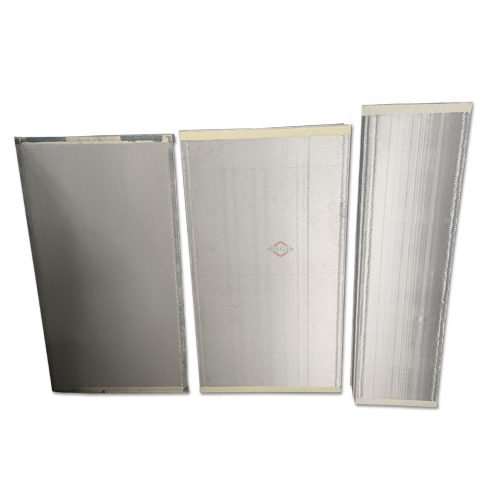
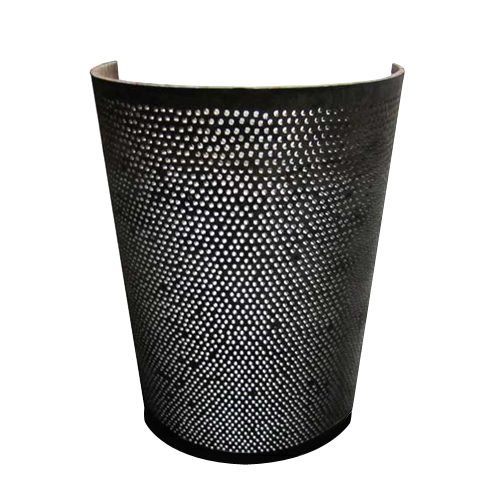
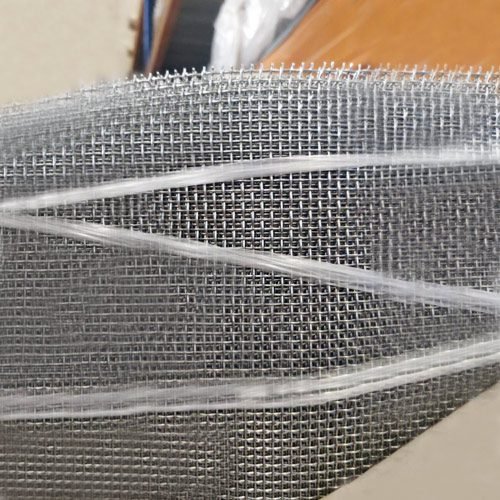
Common spare parts for a copper granulator include crusher blades, crusher screen, air separator mesh, and vibrating table screen. These wear parts should be checked regularly and replaced when necessary to keep the machine running smoothly and maintain stable separation performance. Their service life depends on the cable material, material cleanliness, daily working hours, and maintenance habits.
37. Is your factory testing copper granulator before delivery?
Yes. Every BSGH copper granulator is fully tested before delivery to make sure it runs smoothly and meets the required separation performance.
During factory testing, we check the feeding system, crushing stability, copper and plastic separation accuracy, airflow adjustment, vibrating table performance, dust collection system, electrical control, and overall machine operation. This helps customers reduce installation risks, avoid unexpected problems after arrival, and start production with more confidence.
38. How do you pack and ship a copper granulator?
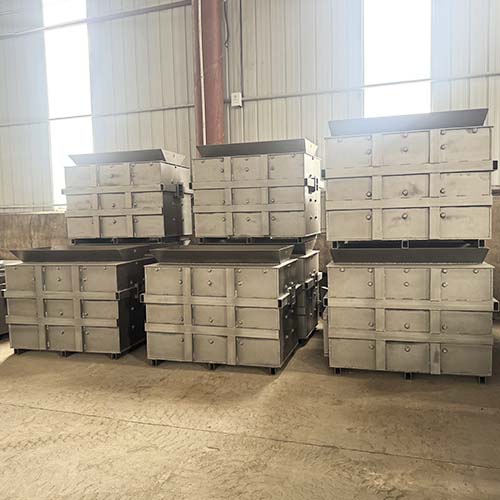
- Small copper granulators are wrapped with protective film and packed in strong export plywood crates to prevent moisture, dust, and transport damage.
- For larger copper granulator line, it is packed by section and firmly secured inside the container to avoid movement, vibration, or collision during long-distance shipping. Key parts such as electrical components, control cabinets, motors, blades, screens, and precision parts are carefully protected with moisture-proof and anti-collision packaging.
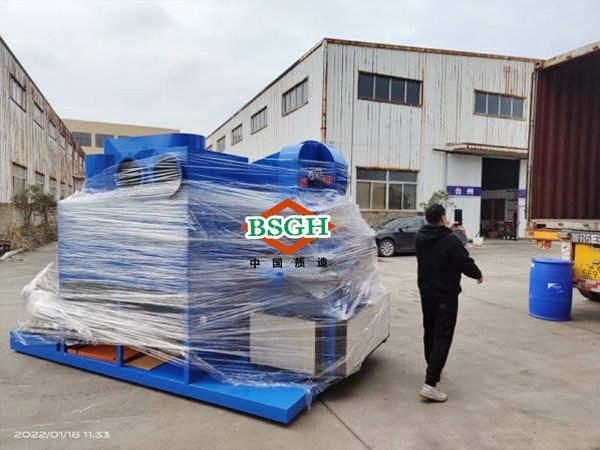
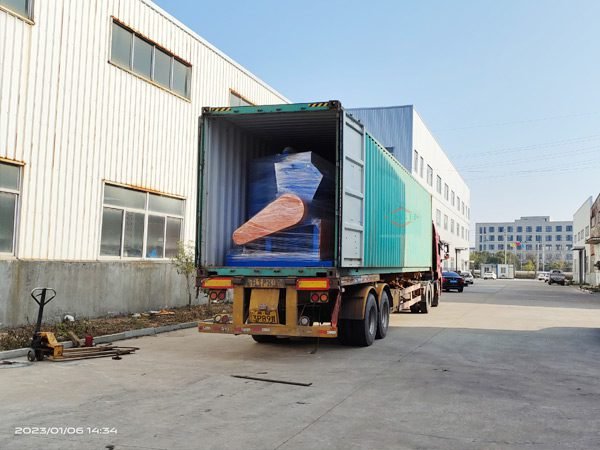
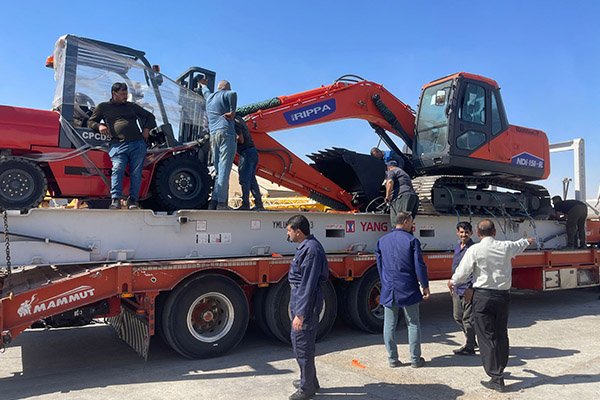
Each section is clearly marked for easy unloading, checking, and installation after arrival. We arrange sea freight, land transportation, or other shipping methods based on the customer’s destination and project requirements. We also provide packing photos, loading photos, shipping documents, and installation guidance, helping customers receive the machine safely and set it up smoothly.
39. How to install a copper granulator?
- For small copper granulator models, built as an integrated unit, you only need to connect it to the power supply, and ready for operation after a basic inspection.
- For larger copper granulator lines, some simple assembly is required after delivery. We will provide a detailed installation manual, layout drawing, operation guide, and remote technical support to help you complete the installation smoothly.
- Overseas installation service is also available if required. In this case, the buyer is responsible for the technician’s round-trip airfare, accommodation, meals, local transportation, and service cost.
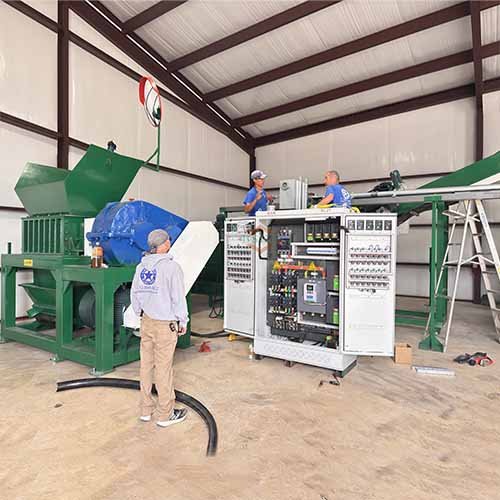
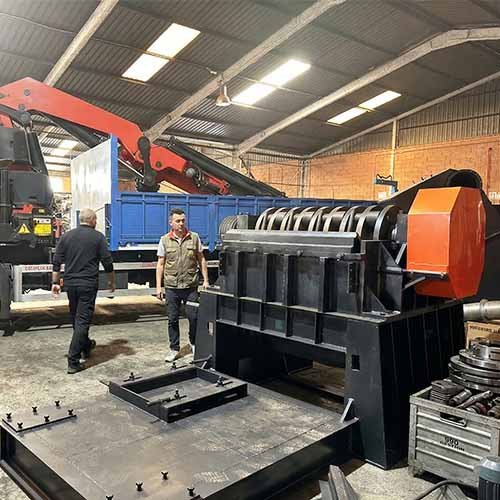
With proper installation and initial adjustment, a copper granulator can quickly enter stable production, helping recyclers reduce downtime, avoid unnecessary machine damage, and achieve better copper-plastic separation from the beginning.
40. What are the advantages of your copper granulator machine?
- Our R&D team is continuously innovating copper granulator to meet your needs. Based on real feedback, different scrap cable materials, and practical working conditions, we keep upgrading our machine design, separation performance, feeding system, dust collection, and overall operation experience. For example, our newest BS-D65 has updated the outlet as real needs, more cost-effective.
- With more than 30 years of manufacturing and export experience, we have built a reliable production, testing, packing, and shipping system to help ensure your machine arrives safely at your destination port.
- We offer a wide range of copper granulator models for different requirements. Whether you process mixed wires, automotive wiring harnesses, aluminum cables, or large volumes of scrap copper cable, our team can recommend a suitable solution based on your material type, workshop space, required capacity, local voltage, and budget.
III. Conclusion
A copper granulator machine can make cable recycling faster, cleaner, and more profitable, but its real performance depends on whether the machine matches your materials and production needs. Cable type, processing capacity, separation purity, blade quality, power supply, and overall machine configuration will all affect the final recycling result.
For scrap yards and cable recyclers, the best choice is not always the largest or most expensive model, but the machine that fits your actual working conditions. By understanding how copper granulators work and what factors influence their performance, you can make a more confident decision and get higher value from your scrap cables.
At BSGH Granulator, we help customers evaluate cable types, size ranges, required capacity, local voltage, and recycling goals before recommending a suitable copper granulator solution. This helps reduce labor costs, improve copper recovery, and support long-term stable operation.
Links:
- Top 10 Advantages of Wire Granulator Machine
- Why Should You Invest in a Cable Granulator for Your Recycling Business?
- What Should You Consider When Buying a Copper Wire Recycling Machine?
- Is copper wire granulator machine suitable for everyone?
- How Much Copper Can Be Recycled and How Much Money Can We Get?
- Copper Granulator User Guide


 English
  Spanish
  Portuguese
  German
  French