I. Introduction
Copper is one of the most valuable metals found in scrap materials, but not all scrap contains the same amount of recoverable copper. Understanding which scrap has the most copper can help you identify the most valuable scrap, improve copper recovery efficiency, and make better recycling decisions.
In this guide, we will look at the most common copper-bearing scrap types, compare their estimated recoverable copper content, explain where copper is typically found in each material, and show which scrap offers the greatest potential for copper recovery.
II. Where Is Copper Found in Common Scrap Materials?
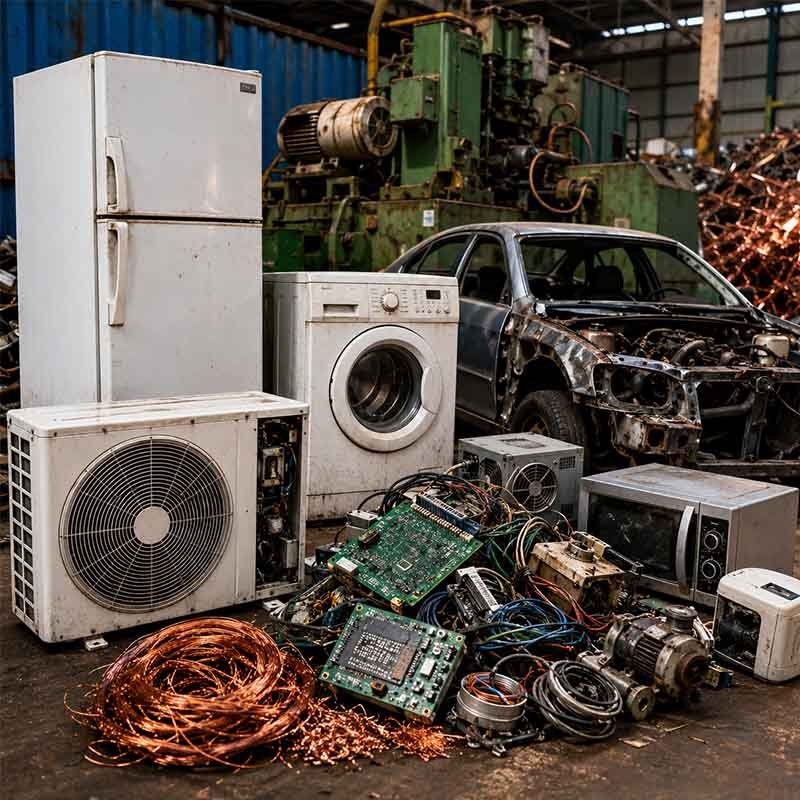
From scrap household appliances to used industrial equipment, copper can be found in many types of scrap, including air conditioners, refrigerators, washing machines, automobiles, industrial equipment and e-waste.
1. Scrap Air Conditioners
Old air conditioners are the most common sources of copper-bearing scrap. Their value comes from several internal components:
- Heat Exchangers: The condenser and evaporator are the main heat exchange parts in an air conditioner. They usually contain copper tubes and aluminum fins. A radiator recycling machine can help you recover copper and aluminum for further processing or resale.
- Compressor: As one of the most valuable copper-containing components in an air conditioner, the compressor has a sealed steel housing that protects internal copper windings. With the right cutting equipment, its outer shell can be opened safely.
- Fan Motor: Fan motors contain copper windings inside. A motor dismantling machine can help you extract these windings out.
- Copper Pipes: There is a high level of pure copper, making copper pipes one of the most valuable scrap materials for recycling.
- Electrical Wires: Air conditioners also contain insulated copper wires. While the copper content is smaller, it still contributes extra recovery value during recycling.


These copper-containing components make air conditioners a valuable source of copper. Generally speaking, one 1.5 HP wall-mounted air conditioner may contain around 4–6 kg of recoverable copper, depending on its size, design, and component structure.
2. Used Refrigerators
Older refrigerators mainly have copper in tubes and compressors:
- Copper tubing is used to carry refrigerant, which has become one of the main copper-bearing components in discarded refrigerators.
- Scrap Compressors from refrigerators also contain copper windings, but usually less than those in air conditioners.
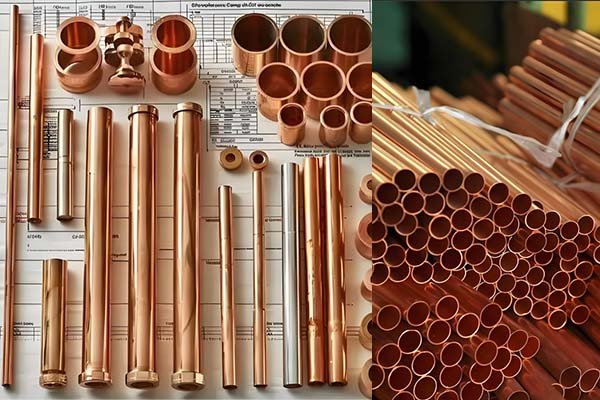
The actual copper content of a scrap refrigerator depends on its size, design, and manufacturing year. Some older refrigerators may contain approximately 2-3 kg of recoverable copper.
3. Scrap Washing Machines
Unlike air conditioners and refrigerators, washing machines usually store most of their recoverable copper in the electric motor windings, less but valuable:
- Front-loading washing machines: approximately 1.8–2.2 kg of copper
- Top-loading washing machines: approximately 1.2–1.5 kg of copper
4. Scrap End-of-Life Vehicles
End-of-life vehicles (ELVs) contain copper in various electrical and mechanical components, making them a valuable copper source for scrap recyclers. You can usually find copper in:
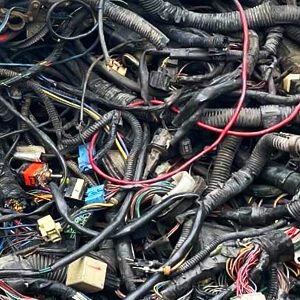
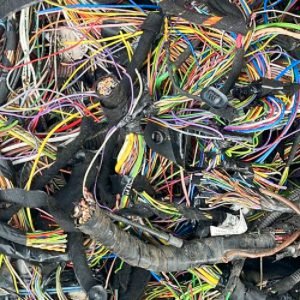
- Wiring Harnesses: Automotive wiring harnesses are one of the largest copper sources in vehicles, used for power distribution, signal transmission, and electrical connections. A car wire granulator machine can efficiently separate copper conductors from plastic insulation, producing clean copper granules.
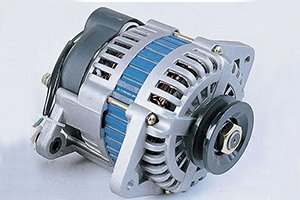
- Alternators: Alternators contain copper windings inside, usually combined with steel and other metal parts. Our alternator recycling machine helps reduce manual labor and efficiently remove the copper windings for better recovery.
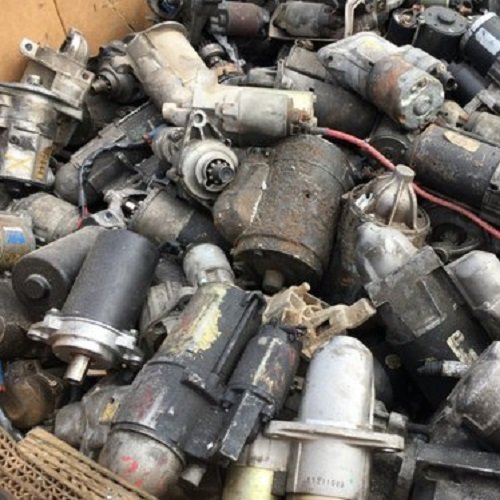
- Car Starters: Starters also contain tightly assembled copper coils and steel parts. Specialized starter recycling equipment makes separating these materials faster and more efficient.
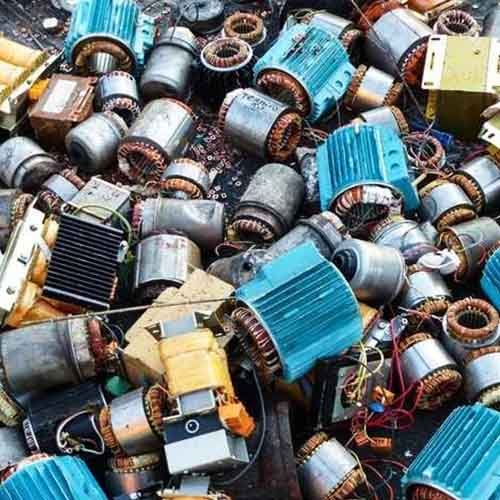
- Electric Motors: Modern vehicles contain multiple electric motors used in systems such as power windows, seats, fans, and other electrical systems. These motors are a valuable source of recyclable copper.
- Heat Exchangers: Vehicle radiators are a common type of heat exchanger, usually made with copper tubes and aluminum fins, which makes them a valuable source for copper recycling.
- Magnetic Switch: Discarded magnetic switches have copper-rich coils inside. Our magnetic switch recycling machine makes them faster and easier to process.
As vehicle scrap data shows, conventional vehicles typically contain around 8–33 kg of copper, hybrid vehicles about 40–65 kg, and some EVs can contain 80–100 kg or more. By identifying copper-bearing components in vehicle scrap and using the right recycling equipment, you can improve copper recovery, reduce processing costs, and maximize scrap value.
5. Old Industrial Equipment
Old industrial equipment is another important source of copper. Copper often exists in parts like industrial motors, transformers, generators, heavy cables and control cabinets. You can recover copper through stripping, dismantling, crushing and separating.
6. E-waste Scraps
E-waste such as cables, connectors, power supplies and internal wiring has copper inside. While each item may hold only a small amount of copper, but the huge global volume of e-waste makes it a valuable source of secondary copper recovery. Efficient recovery usually starts with proper sorting and pre-processing.
III. Estimated Recoverable Copper Content by Scrap Type
Many types of scrap can provide valuable copper, including old appliances, vehicles, industrial equipment, and electronic waste. However, the amount of recoverable copper varies greatly depending on the material structure and copper-containing components.
| Scrap Type | Main Copper-Bearing Components | Estimated Recoverable Copper Content |
| Air Conditioners | Radiators, compressors, copper pipes, motors, wiring | Approx. 4–6 kg per residential AC unit (varies by size and design) |
| Refrigerators | Compressors, copper pipes | Approx. 2–3 kg per unit (varies by model and age) |
| Washing Machines | Electric motors | Approx. 1.2–2.2 kg per unit (varies by motor type) |
| End-of-Life Vehicles (ELVs) | Wiring harnesses, alternators, starters, electric motors, radiators | Approx. 8–33 kg in conventional vehicles; 40–65 kg in hybrid vehicles; up to 80–100+ kg in some EVs |
| Industrial Equipment | Heavy cables, large electric motors, transformers, generators, compressors | Several kilograms to a very large amount, depending on equipment size and copper-rich components. |
| E-Waste | Computer cables, circuit boards, connectors, power supplies | Approx. 1–20% copper content depending on equipment type |
Note: Copper content varies depending on model, year, design, and dismantling level. The figures above are approximate recoverable copper amounts, not fixed values.
IV. Conclusion
In many cases, end-of-life vehicles contain the highest overall copper content, while air conditioners, refrigerators, washing machines, industrial equipment, and e-waste also provide strong copper recovery potential. With proper sorting and the right recycling machine from BSGH granulator, you can recover more copper, reduce losses, and improve overall recycling returns.
Links:
- How to Scrap an Old Refrigerator and Make Money?
- Unlocking the Hidden Value in Your Old Air Conditioner
- How To Recycle An Entire Scrap Car?
- Choose Your Copper Wires Recycling Solution
- Which Kinds of Scrap Radiators Can Radiator Recycling Machine Process?
- How To Recycle Scrapping Compressors?
- How to Recycle Copper Wire Scrap with a Copper Granulator Machine?

 English
  Spanish
  Portuguese
  German
  French